

It was a Tokyo Disney mug that bothered me. With a mix of 40% rPET and 60% ABS, the merchandise was “made from recycled park materials” under the "Circulating Smiles” program, where they "promote sustainability by turning park waste into new, eco-friendly goods".
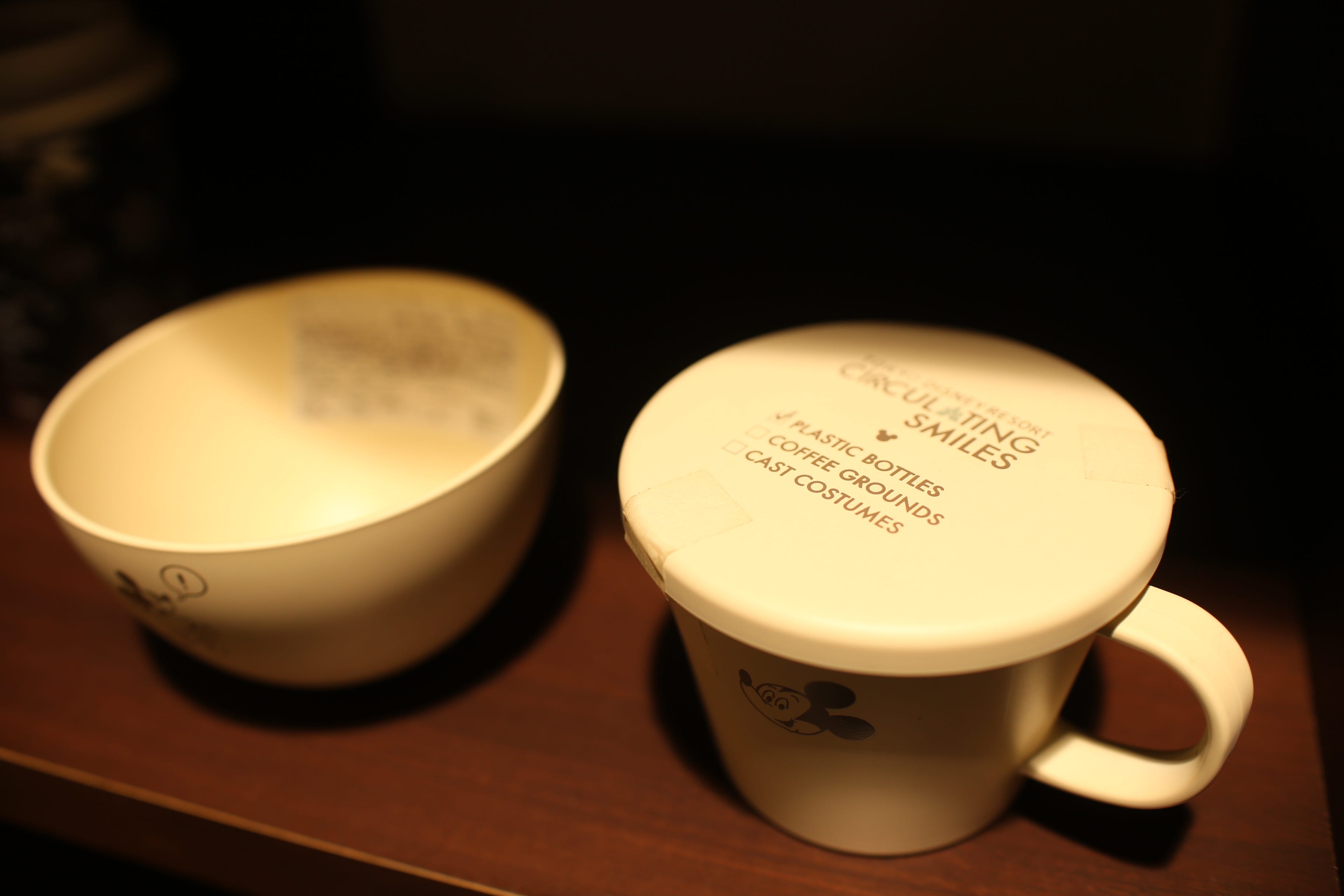
I have seen a hundred products like this. A pen mixing plastic with "biomass material". A lantern blending recycled aluminum with recycled PET for a "better glowy effect”. Water bottles claiming 50% recycled plastic. I recognized them because of the logic behind them. It's the same logic I fought against for years in my previous position.
The battle I fought (and still fight)
Imagine you are the champion of your company's recycling agenda. Your goal is to reach 100% recycled content in your packaging portfolio by 2035.
For your 2030 checkpoint, you plan to achieve at least 50% recycled content across all packaging material. The question is: Which pathway, and which measurement approach, should you adopt to get there?
Scenario 1: The Blended Approach
You choose to mix 50% recycled content with your existing virgin, fossil-based materials across your entire portfolio. Your calculation becomes:
Recycled content % = Total recycled materials ÷ Total material volume (virgin + recycled) x 100%
Scenario 2: The Full-Conversion Approach (SKU by SKU)
You start by launching 100% recycled packaging on selected (and strategic) SKUs, then establish a roadmap to convert the rest over time. By 2030, after converting a portion of your portfolio, your recycled content rate reaches 50%. The formula becomes more SKU-specific:
Recycled content % = Total volume of 100% rPET (converted SKUs) ÷ Total material volume (virgin + recycled) x 100%
Both approaches can hit the same 2030 KPIs (50% of recycled content), but which one can lead to 2035 target (100% of recycled content across portfolio)? Although the formulas may look similar, the underlying calculations and the strategic implications are completely different.
So which pathway would you choose? 50% or 100%?
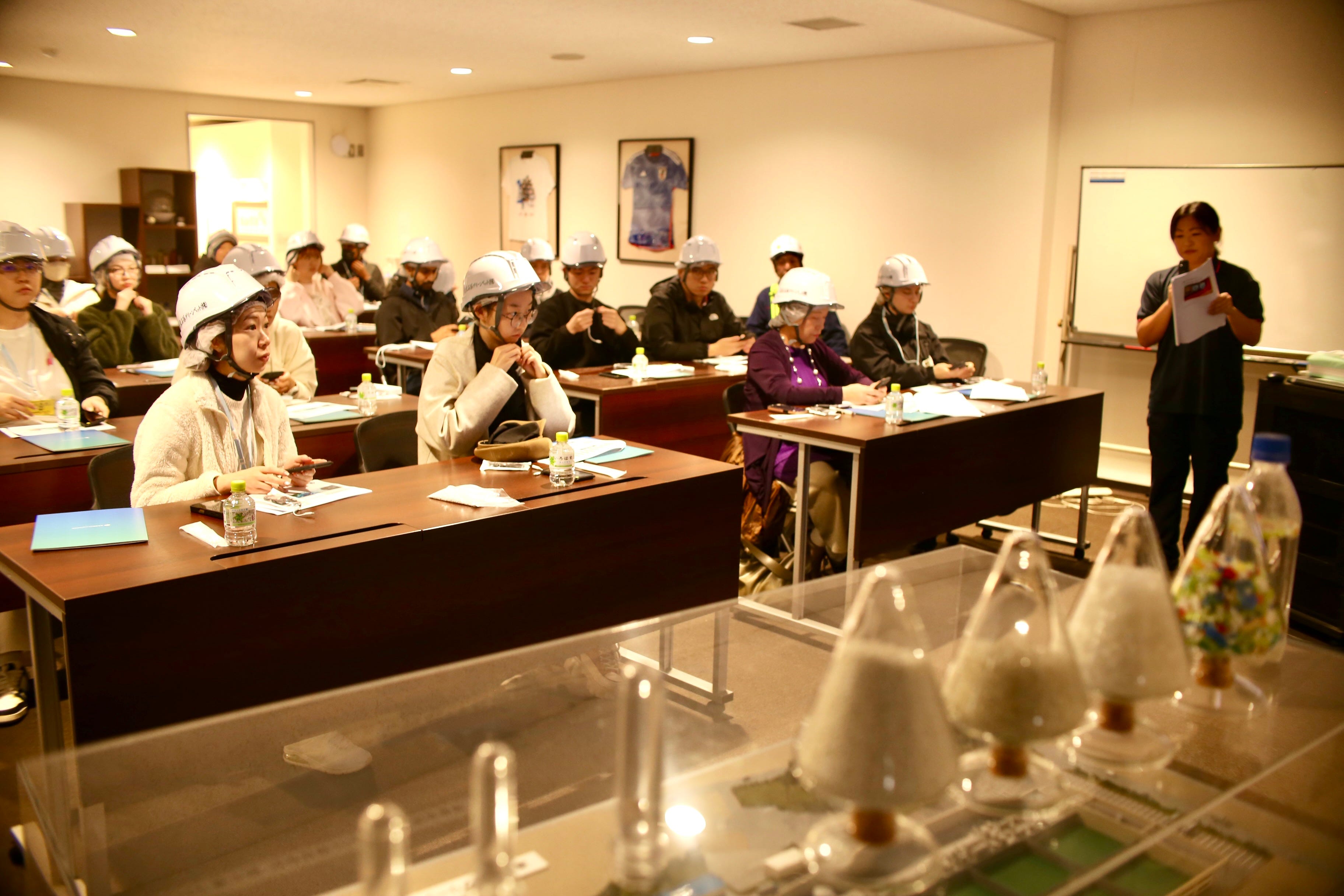
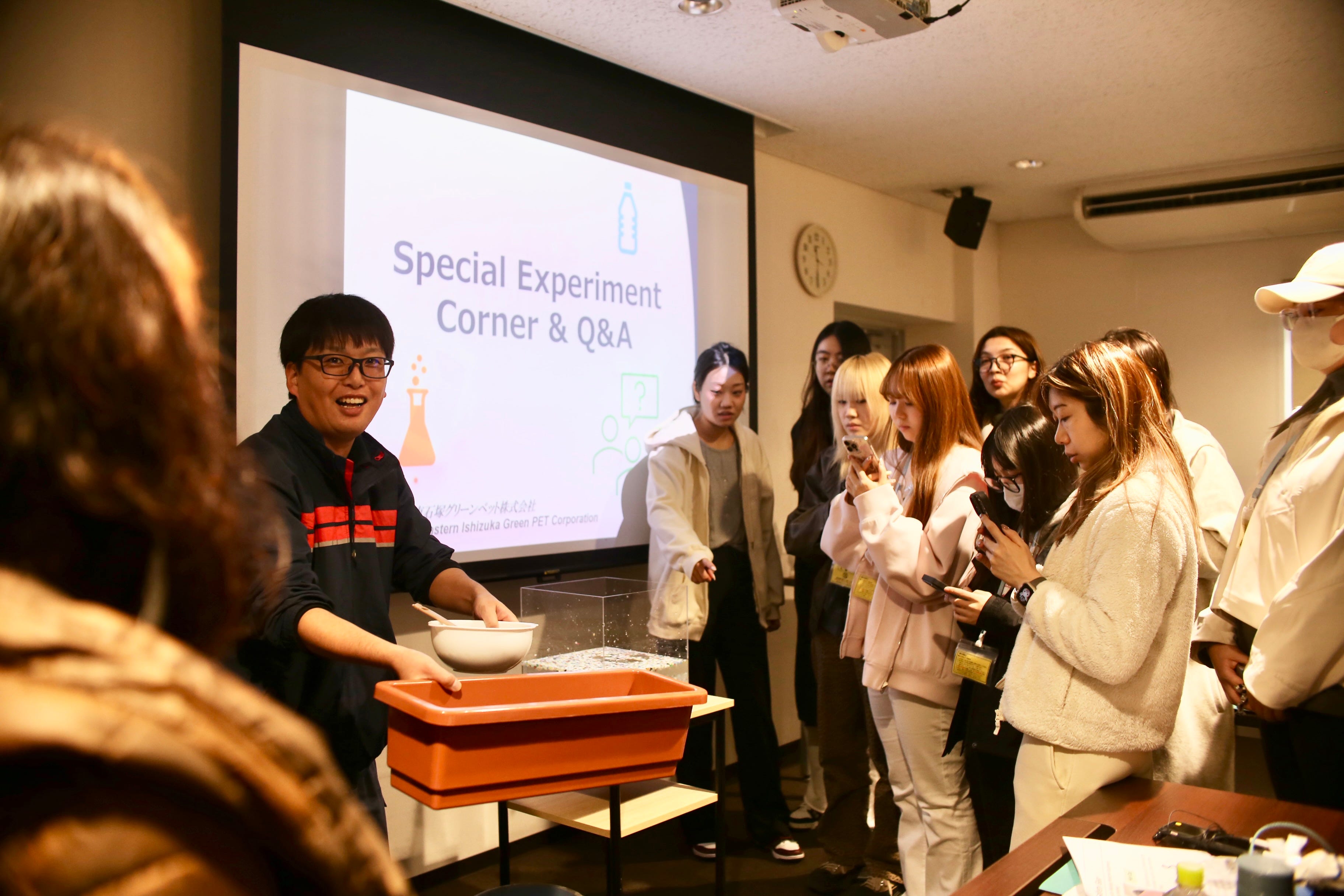

Blended option is not a stepping stone
Partial measures rarely function as transitions. More often, they become destinations.
When companies blend 50% recycled content into their packaging, there is a sense of moral accomplishment: “we’ve done our part”, and the remaining 50% becomes harder to justify. That halfway point becomes the new status quo, when you build supply chains around 50% recycled content. You sign contracts that assume continued virgin plastic supply. You create internal systems, reporting structures, and stakeholder expectations all calibrated to this midpoint. Over time, switching costs accumulate.
The “gradual transition” approach has a poor track record precisely because each intermediate step creates new stakeholders invested in not progressing further. Infrastructure develops in response to committed demand. It doesn’t appear spontaneously, waiting to be discovered.
A mixed system: 50% rPET + 50% vPET signals uncertainty to suppliers and business partners. It says: “We might go 100% rPET eventually… or maybe not”. This level of ambiguity is not enough to justify large-scale upstream investment.
Go BIG or go home
In contrast, when a company launches the first SKU in 100% rPET, it send a clear signal that they are no longer experimenting. It's saying: “We guarantee off-take. We converted this entire SKU to 100% rPET and there is no going back. Let's build capacity for the remaining transition".
This kind of certainty changes behavior. It accelerates capacity expansion, drives improvements in feedstock quality, reduces costs through scale, competition, and the first-mover advantage. Each converted SKUs becomes a proof point, showing that 100% recycled works, consumers accept it, operations can manage it and the system is resilient. Employees see clear progress, and leadership gains confidence to accelerate.
Unlike the blended model, SKU-by-SKU conversion builds capability toward a fully circular portfolio.
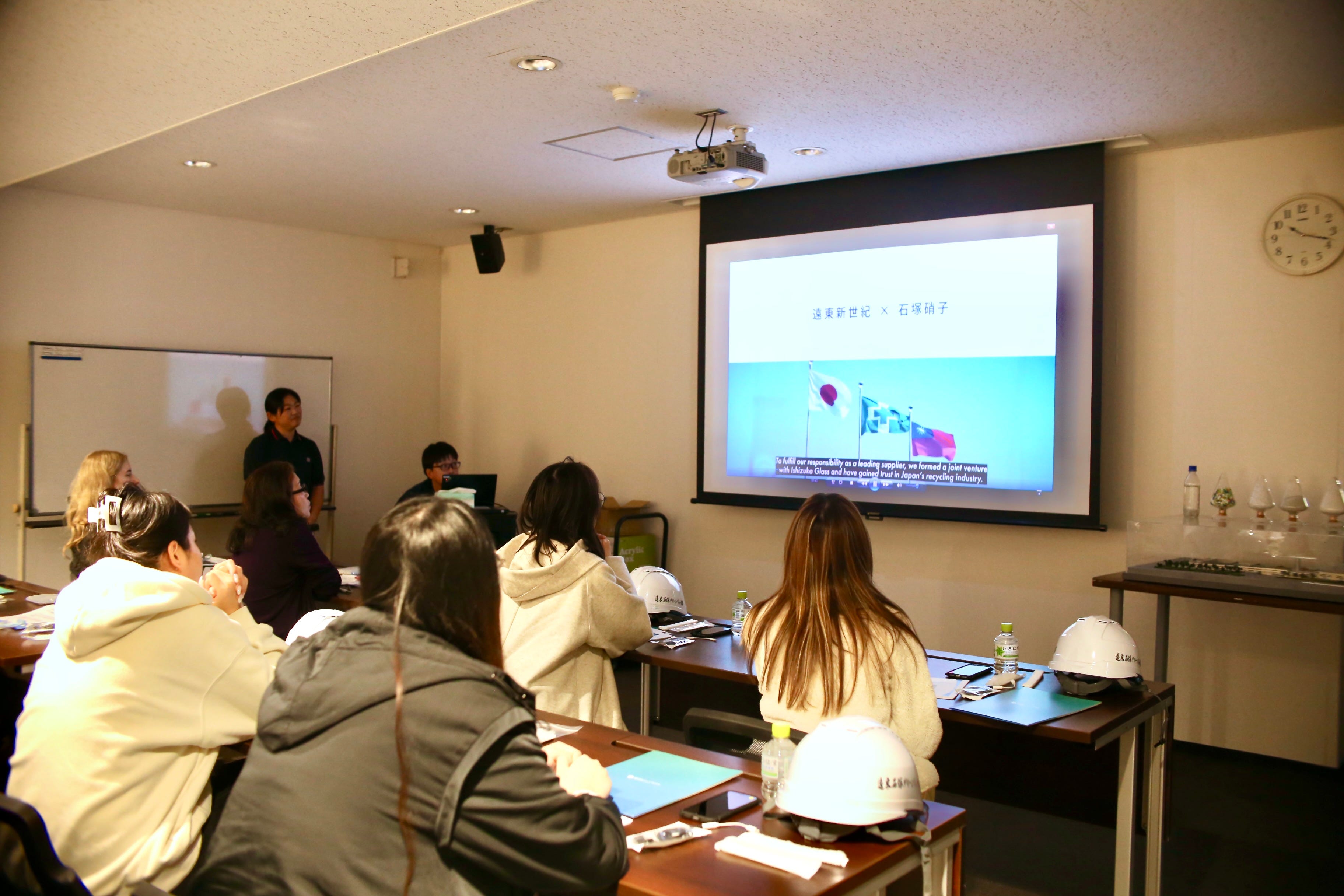
However, speaking is always easier than doing. When I proposed our roadmap to achieve 100% recycled content across our packaging portfolio, I aligned it as a sequential transformation, so it needs a incremental investment on technical feasibility, supply chain stability, and brand communication. Each successful SKU transition would prove viability, build supplier relationships, develop internal capabilities, and create a lighthouse example for the next SKU/next brand. By the end of the journey, we wouldn't only have a 100% recycled portfolio, we would have transformed our organization's capacity to execute sustainable packaging at scale.
There were many moments when stakeholders tried to persuade me to shift to a blended approach. The arguments were familiar:
“The local recycling infrastructure isn’t ready.”
“We need better sorting first. The feedstock quality is too poor so the rPET bottles come out yellowish.”
“Why don’t we mix 50% virgin and 50% recycled resin? The bottle will look brighter, and consumers won’t notice the difference.”
“What if we add a green tint to hide the yellowish from low-quality feedstock?”
Eventually, I realized that none of these were truly technical arguments. When recycled materials cost more than virgin plastic, and when closed-loop initiative requires long-term and comprehensive investment rather than immediate savings, the underlying issue is always cost comfort.
A diluted approach proves nothing. If everything sits at 25–50% recycled content, you never demonstrate that 100% is feasible. And as for adding green color: this is one of the worst solutions anyone can propose. Clear rPET can become a bottle again. Green vPET or green rPET cannot. It is downcycled into fiber, strapping, or park benches, materials that eventually exit the loop entirely. That is not circularity; that is delayed linearity.
Japan even has regulations addressing this exact issue because policymakers understand that color determines destiny in plastic recycling. Whether you achieve genuine circularity or fall into greenwashing often hinges on these very technical realities of material flow.
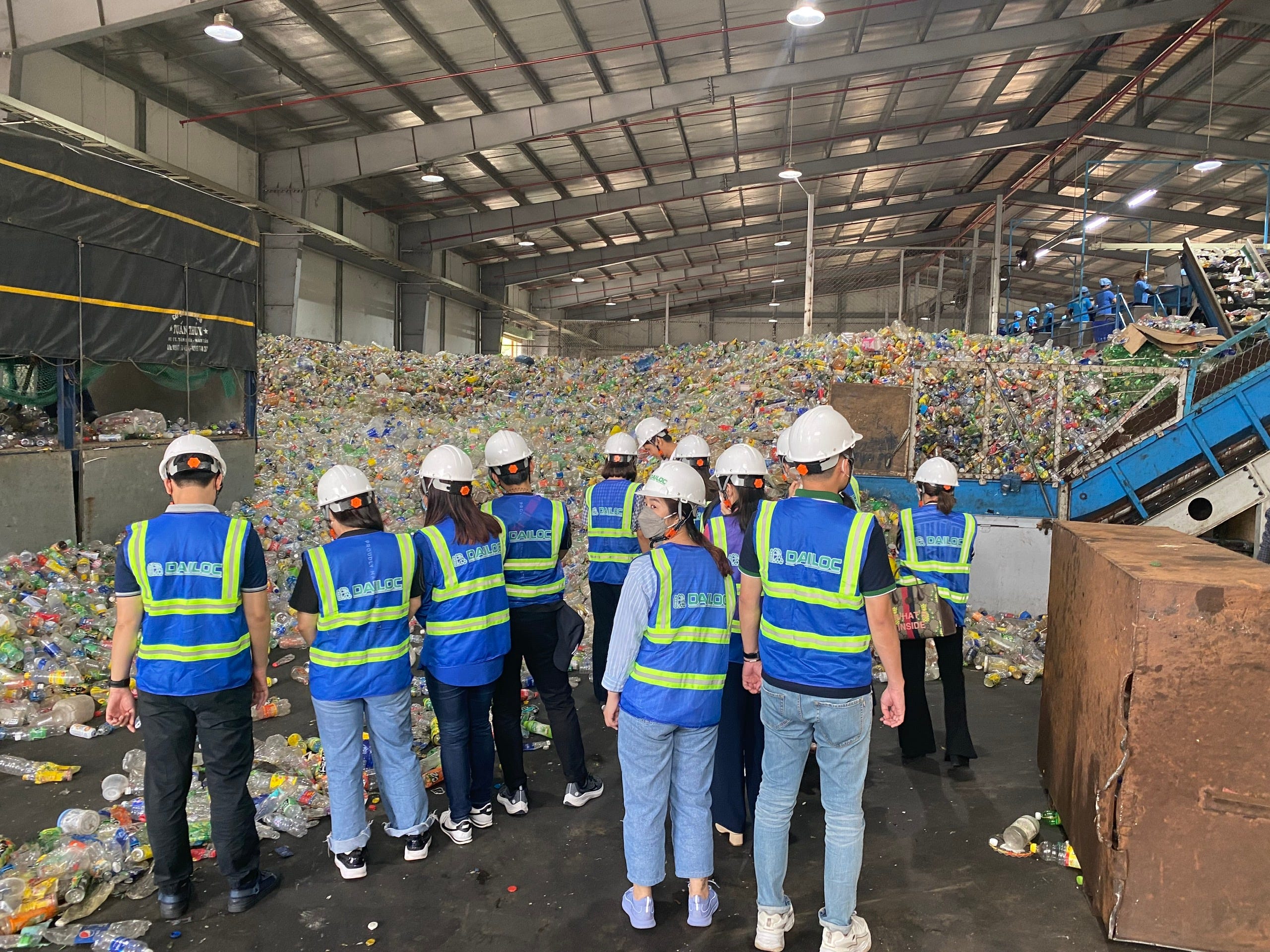
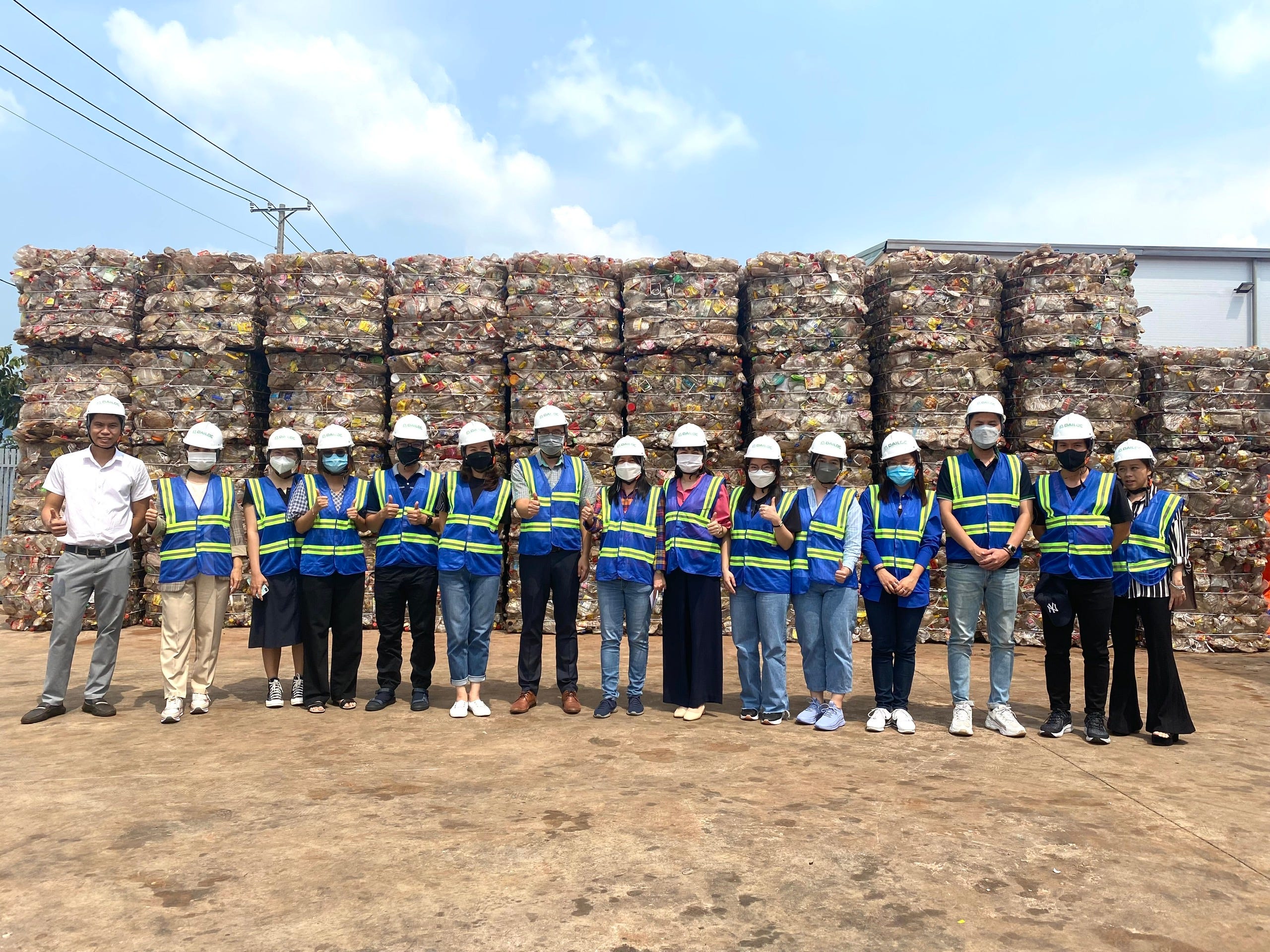
Why closed-loop is the only loop that matters
That Disney mug bothered me for a reason beyond the blended approach. It represents something more fundamental: the difference between genuine circularity and delayed landfill.
When we talk about recycling, we are actually describing a spectrum of outcomes, and not all recycling is created equal.
Closed-loop recycling is genuinely circular.
Bottles → Bottles → Bottle again
Fabric → Fabric → Fabric again
Aluminum can → Aluminum can → Aluminum can again
Open-loop recycling, however, is simply linear with extra steps.
A mug made from a mix of PET and ABS cannot return to being a mug. PET is recyclable. ABS is technically recyclable. But PET mixed with ABS? The material stream is incompatible.
A pen made from blended plastic and biomass cannot be separated at end-of-life.
A lantern combining aluminum and PET was never designed with recyclability in mind.
The "recycled content” in those products has only one additional lifecycle before the entire product becomes waste. It's resource destruction dressed up as innovation. Furthermore, in the 3Rs, Reduce comes first. Creating new mixed-material products does not reduce impact, it simply shifts the burden downstream and increases systemic waste.
So…
Next time someone proposes the Blended approach instead of implementing complete solutions sequentially, ask them: "If we can achieve full circularity, why stop halfway?".
As long as we have a roadmap for 100% with timelines, milestones, and accountability, the system still has a chance.
As long as someone is paying attention to the details: the bottle colors, the incompatible materials, the material compositions, the end-of-life realities…, circularity remains within reach.
As long as practitioners, engineers, product developers are willing to push for the full commitment when the easy path is to settle for half, progress continues.
But when we ignore these details, when we allow “good enough” to replace “good”, when we settle for a diluted version of circularity, the outcome is predictable. That mug will end up in a landfill someday, long before its marketing slogan fades, and the “Circulating Smiles” will stop circulating.
Circularity is a discipline, and it only works when we have the courage to drive the full loop, not just comfortable half.