

At my previous beverage company, we named our sugar reduction initiative the "Bamboo" project. The name show appreciation to bamboo's unique qualities: resilience, rapid growth, and its green-driven spirit, such a fitting metaphor for innovation in sustainability.
As a nature lover like myself, this name clicked immediately. From folk tales like Giong to iconic village landscapes, bamboo has been woven into Vietnamese identity. Through a manufacturer's lens, bamboo hold a powerful potential to be used more commonly in our modern lives.

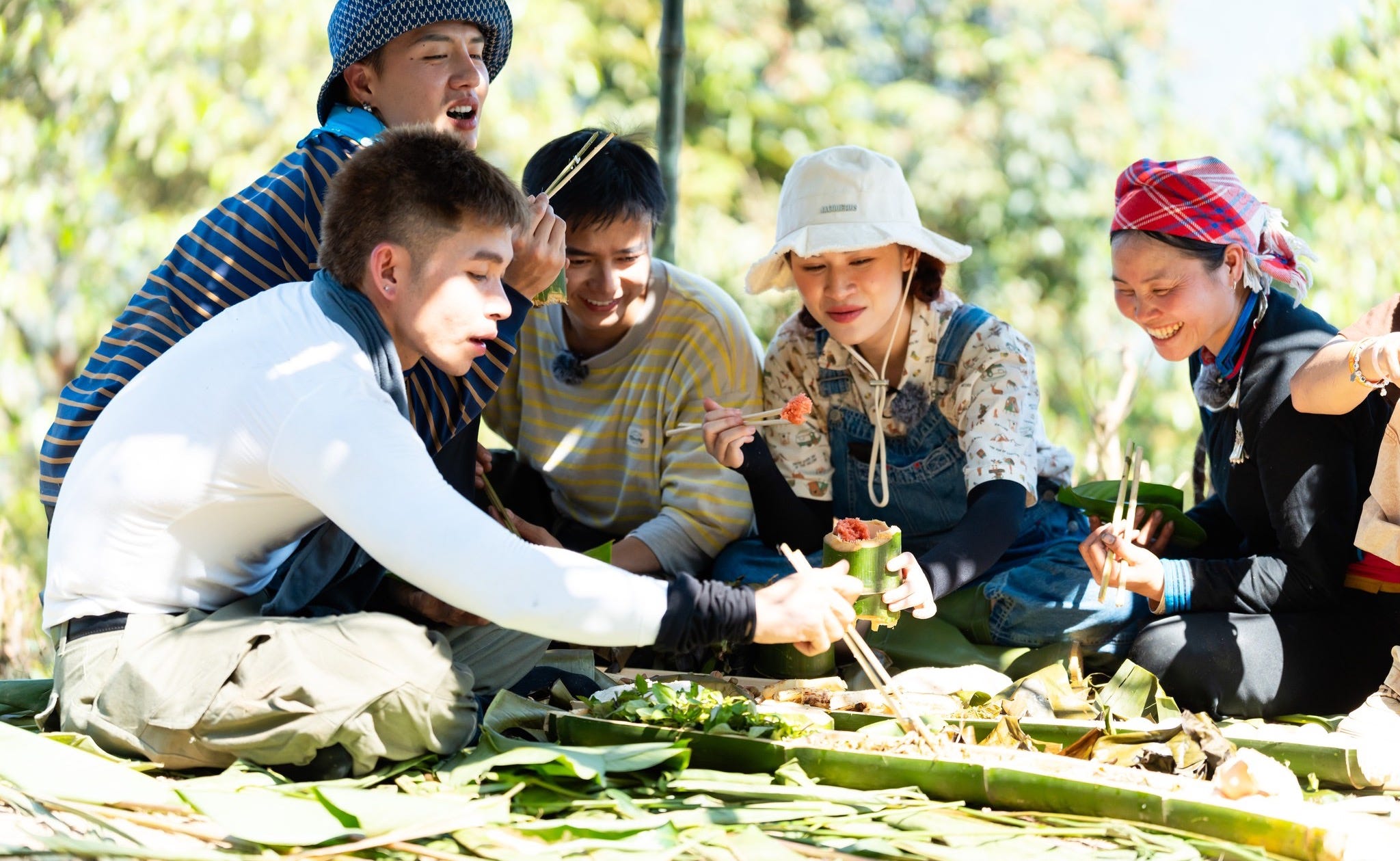
Have you ever wondered why we can't count tree rings on bamboo like we do with other timbers? This is because bamboo doesn't form rings as it grows. Instead, its special structure features a hollow center with vertical carbon fibers. This design makes it flexible and strong, allowing it to bend and stretch under pressure from various directions. Due to those advantages, bamboo was once a cornerstone of Vietnamese culture and history, used in every aspect of daily life, from housing to tools.
But then, the colonial era replaced such a natural gift with compound and artificial materials, like steel, concrete, and plastics. Local communities were convinced that a "higher quality of life" came through adopting Western modernity over conventional practices. As part of industrial revolution, these composite materials were marketed as standardized, durable, and aesthetically superior, in contrast to bamboo, which was seen as cheap, old-fashioned and problematic.
In professional considerations, many corps plant trees for carbon credit. I often view this practice as more political than genuinely impactful. Interestingly, my company took a different approach by focusing on water cultivation through watershed forest plantation. This stems from the understanding that water is the lifeblood of our business. And this give bamboo a chance to attract the attention of corporate sustainability taskforces.
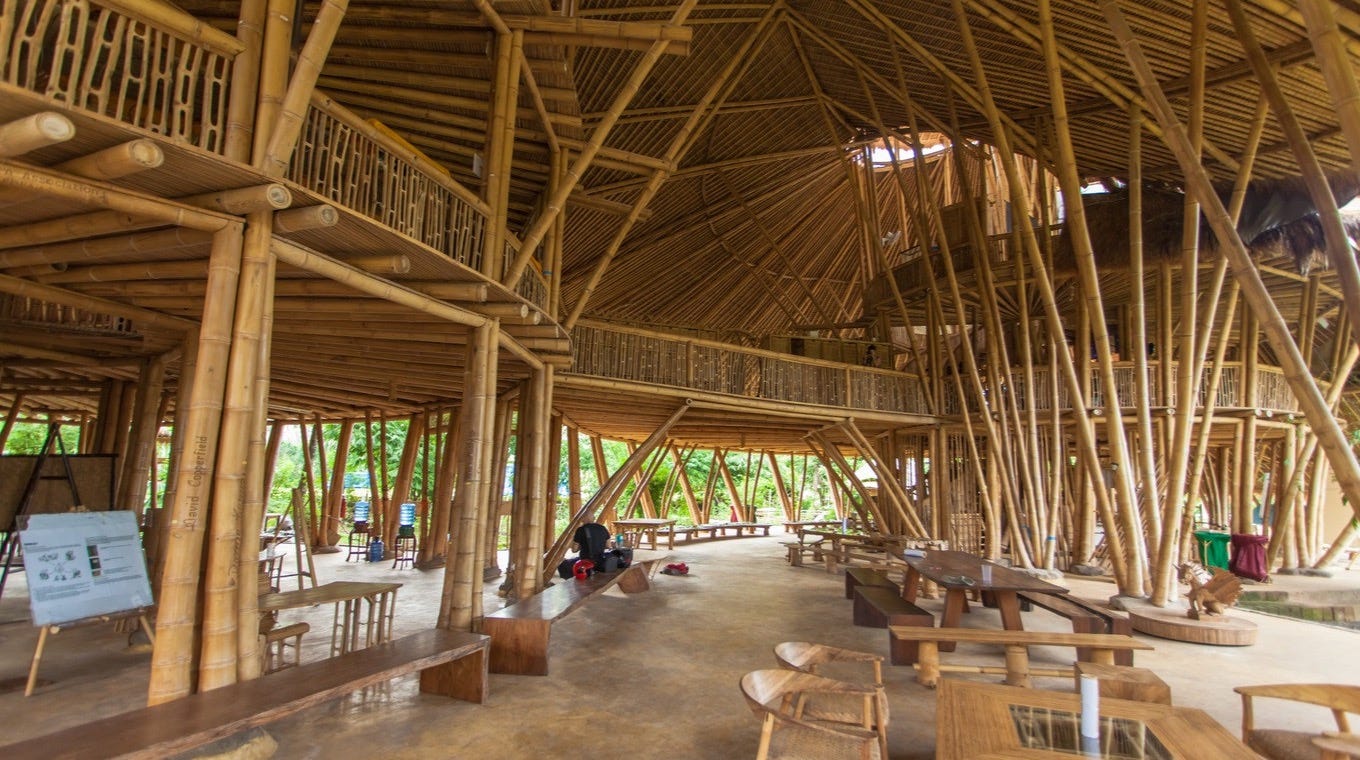
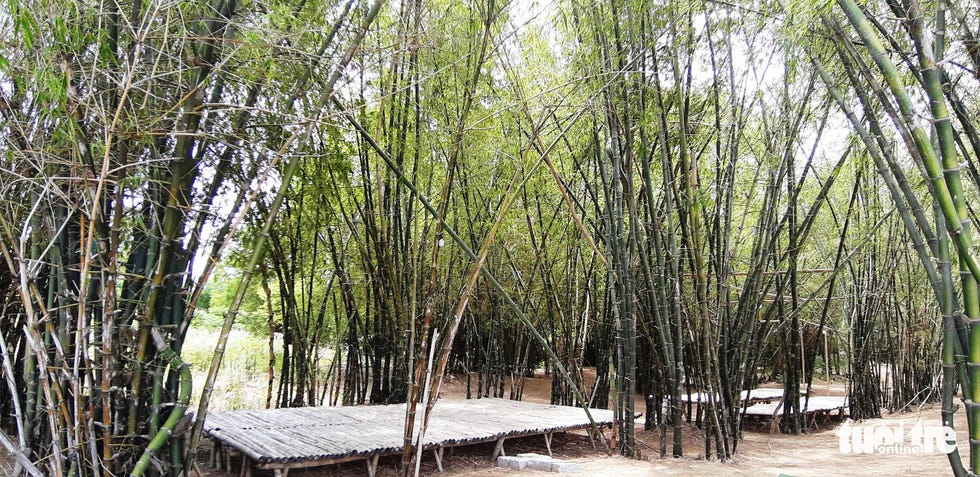
Collaborating with local forest farmers, I've witnessed the incredible benefits of bamboo. Its deep root systems prevent land erosion and cultivate underground water flow, complementing other types of trees we planted through Million Green Trees and Revive Water Run plantation programs. Bamboo grows quickly without chemical intervention, absorbs carbon, and helps local communities protect their land, thereby enhancing their livelihood and well-being. Unlike abstract and vague strategy of carbon offsetting, bamboo offers tangible, immediate benefits that align with both short-term and long-term needs from our business and all stakeholders.
As I've deepened my understanding of bamboo, I've grown even more inspired by the beauty and wisdom of nature. I now see nature as the best designer and also the best recycler in this great world.
You could watch this movie trailer and share your experience with bamboo in the comment if any. Let's give bamboo the spotlight it deserves, in our sustainability dialogue.