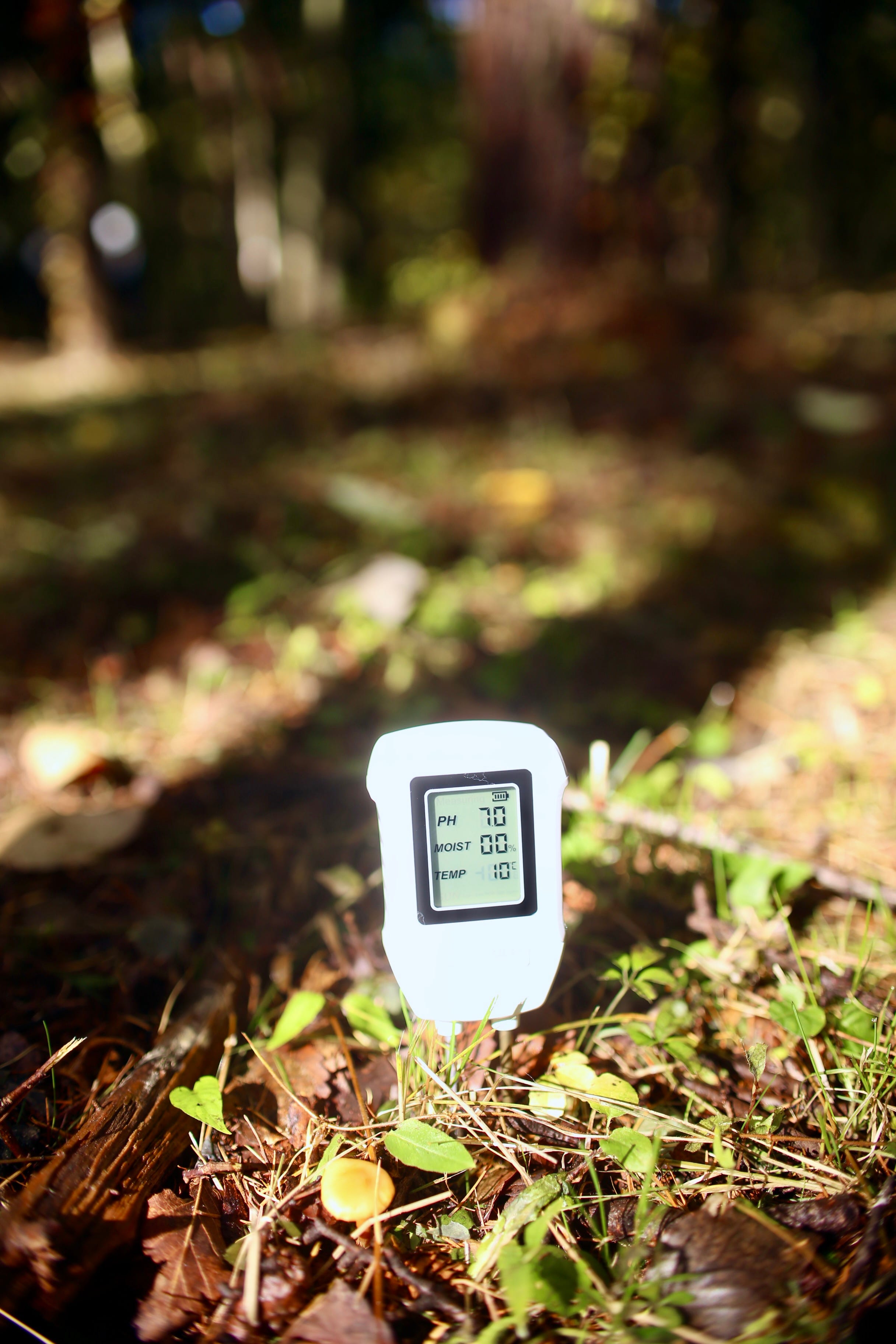
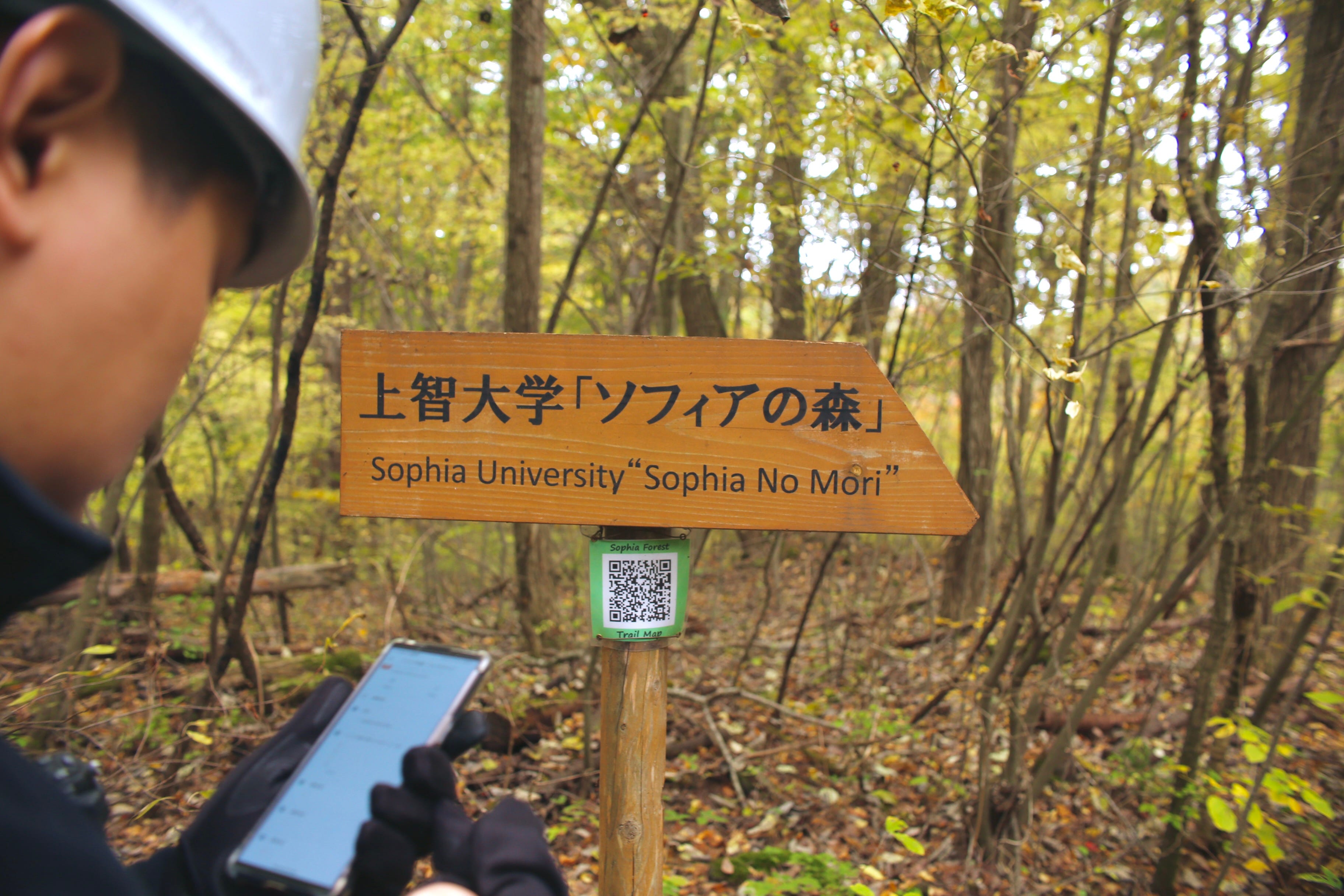
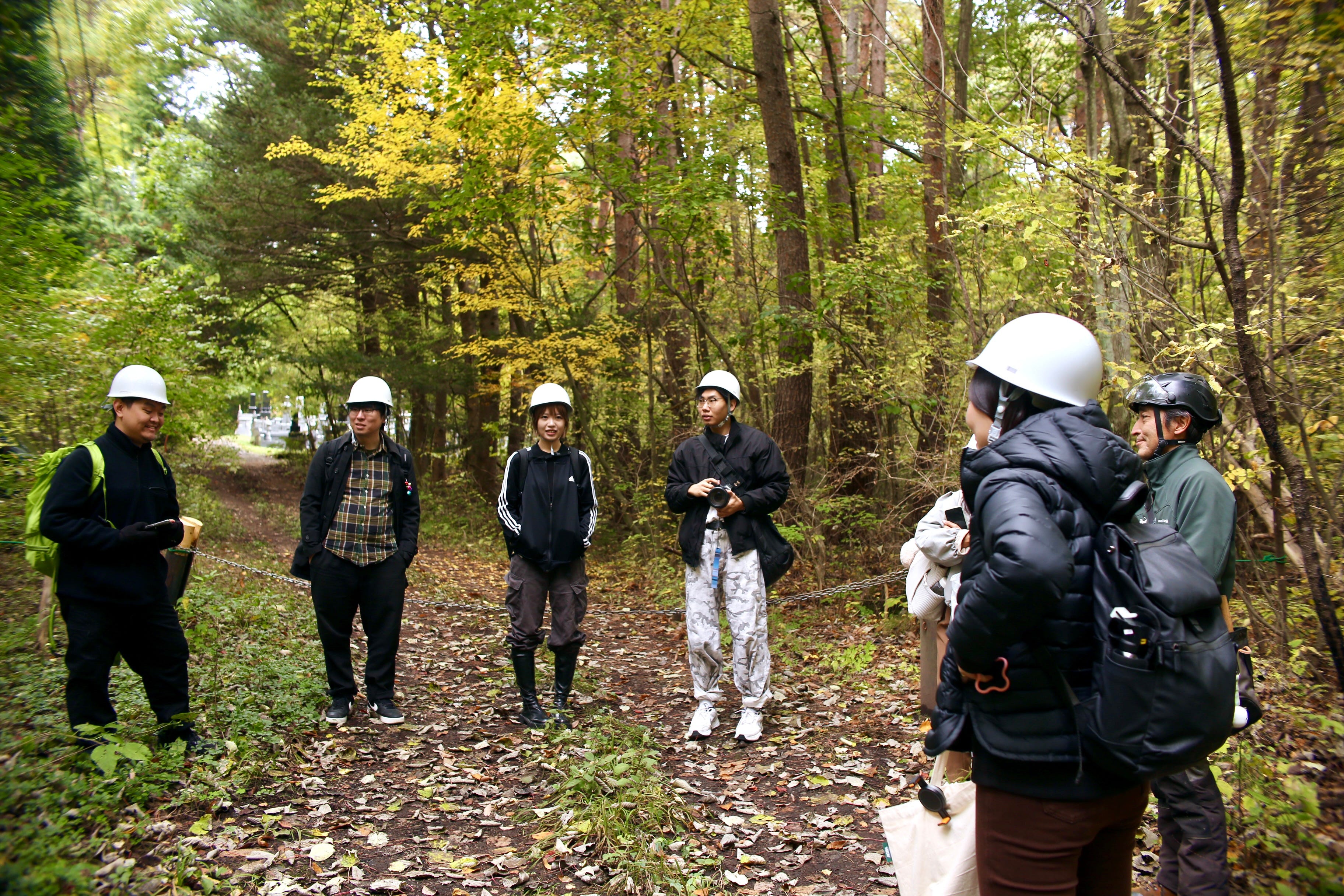
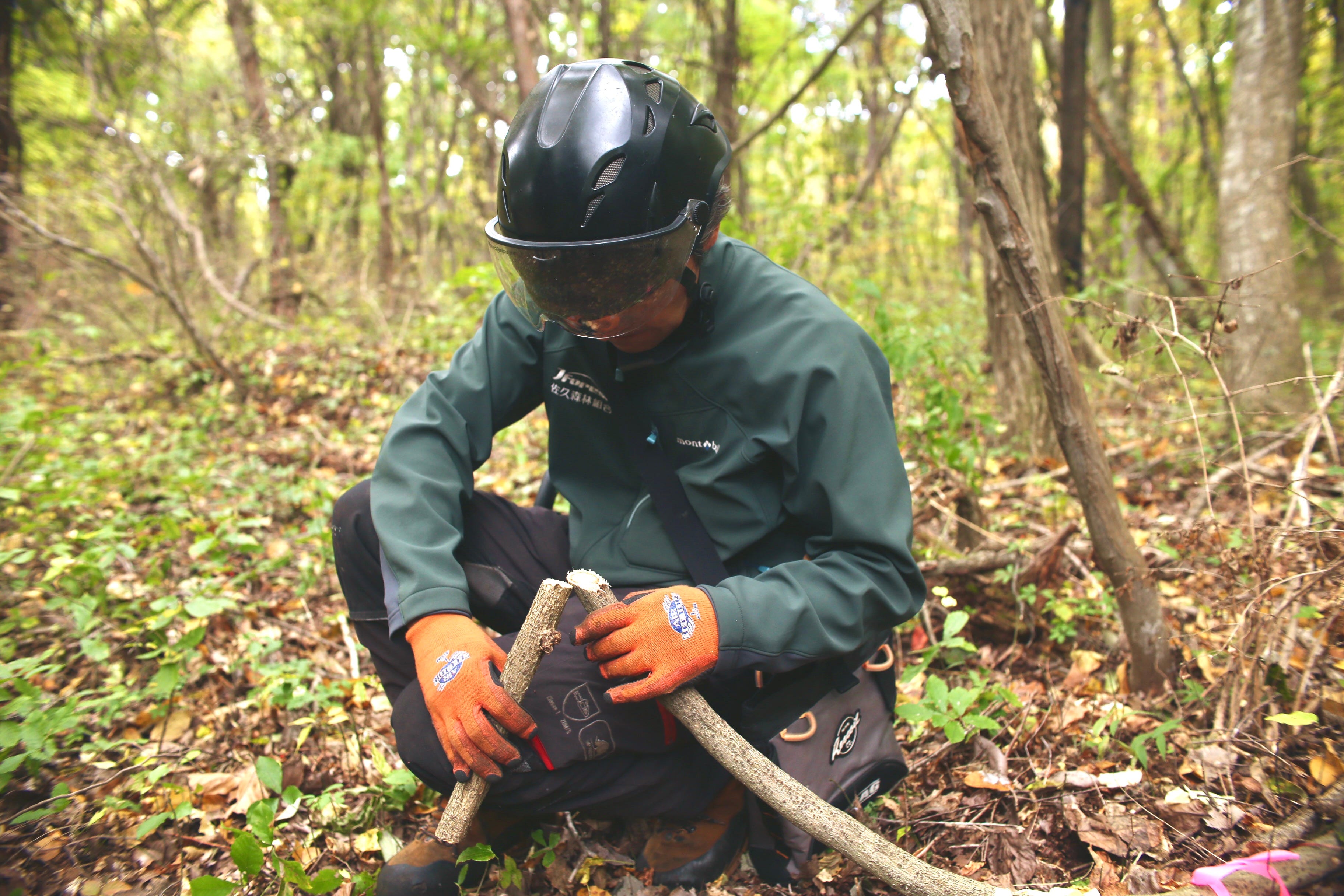
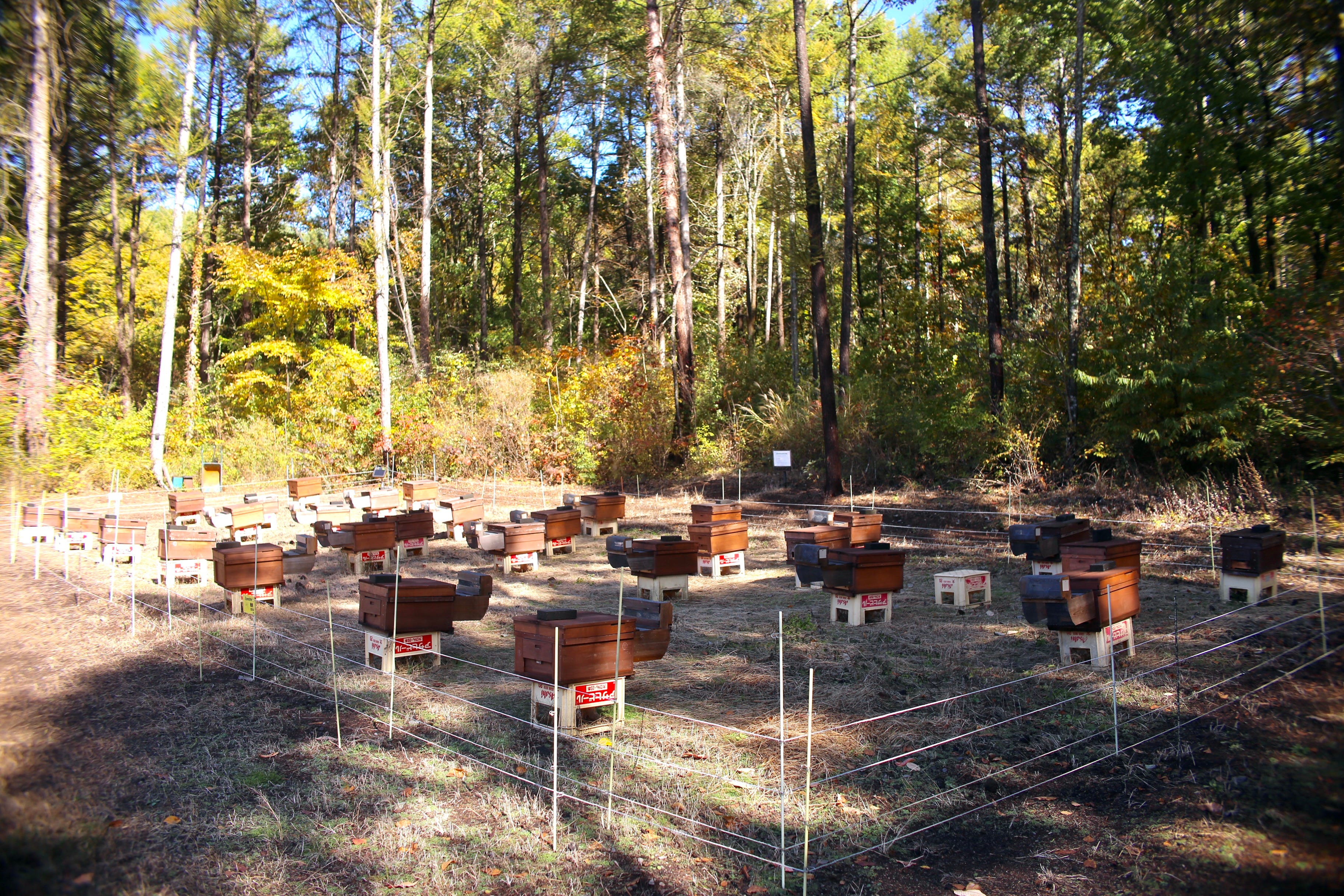
The soil is damp beneath my knees. I'm crouched in the Sophia forest in Karuizawa, Japan, pressing a moisture sensor into the earth while my classmates from Sophia University's Master of Global Environmental Studies program call out readings from their own plots.
These results will be used to map with satellite data for research purpose. Around 6 students of us, 22 hectares of carefully managed forest stretch up the slopes of Mount Asama. This forest belongs to the university, not for logging but for exactly this: education.
The forest I watched disappear
Five years ago, I stood in a very different forest. I was working for an education organization in Vietnam, working with schools and press media. On paper, our investor were dedicated advocators of education and committed to Vietnam's future. Their marketing materials glowed with promises of world-class learning quality.
In reality, I watched them lobby the government to reclassify primary forest as commercial land, to "build schools", on the used-to-be primary forest areas. They never ask how many decades the trees there had been growing. Nobody asked what ecosystem services it provided, what carbon it stored, or what watershed it cultivated.
Within nearly a year, the forest was gone. In its place: an international school campus. And somewhere in my chest, something hardened into a question I couldn't shake: Why does education require cutting down forests, while universities in Japan or somewhere else maintain forests specifically for education?
The forest Vietnam keeps losing
That international school wasn't an only single case. It was a pattern I kept seeing, kept reading about, kept trying to think about.
Tam Dao, Phu Quoc. Both mountain forest areas converted into “eco-tourism” resorts. The irony was suffocating: we destroyed the ecology to build eco-tourism. Environmental groups presented evidence. Local communities objected. The projects proceeded anyway.
Then there was the 600-hectare Binh Thuan primary forest, over a hundred years old, approved for conversion into a reservoir.
I read the project justification carefully. The language was polished and reasonable-sounding: “Supplying water for agricultural purposes and daily water needs", they said. The project would "serve flood prevention and control, environmental enhancement". And finally, “the reservoir will contribute to the development of tourism and service sectors in the province".
I don't understand, if Binh Thuan province suffers from groundwater shortage during the dry season, why cutting down watershed forests? Those forests preserve groundwater. They capture rainfall, allow infiltration into aquifers. Without them, underground water reserves face even greater risk of shortage. The forest they wanted to cut down was actually solving the water problem they claimed they needed a reservoir to fix.
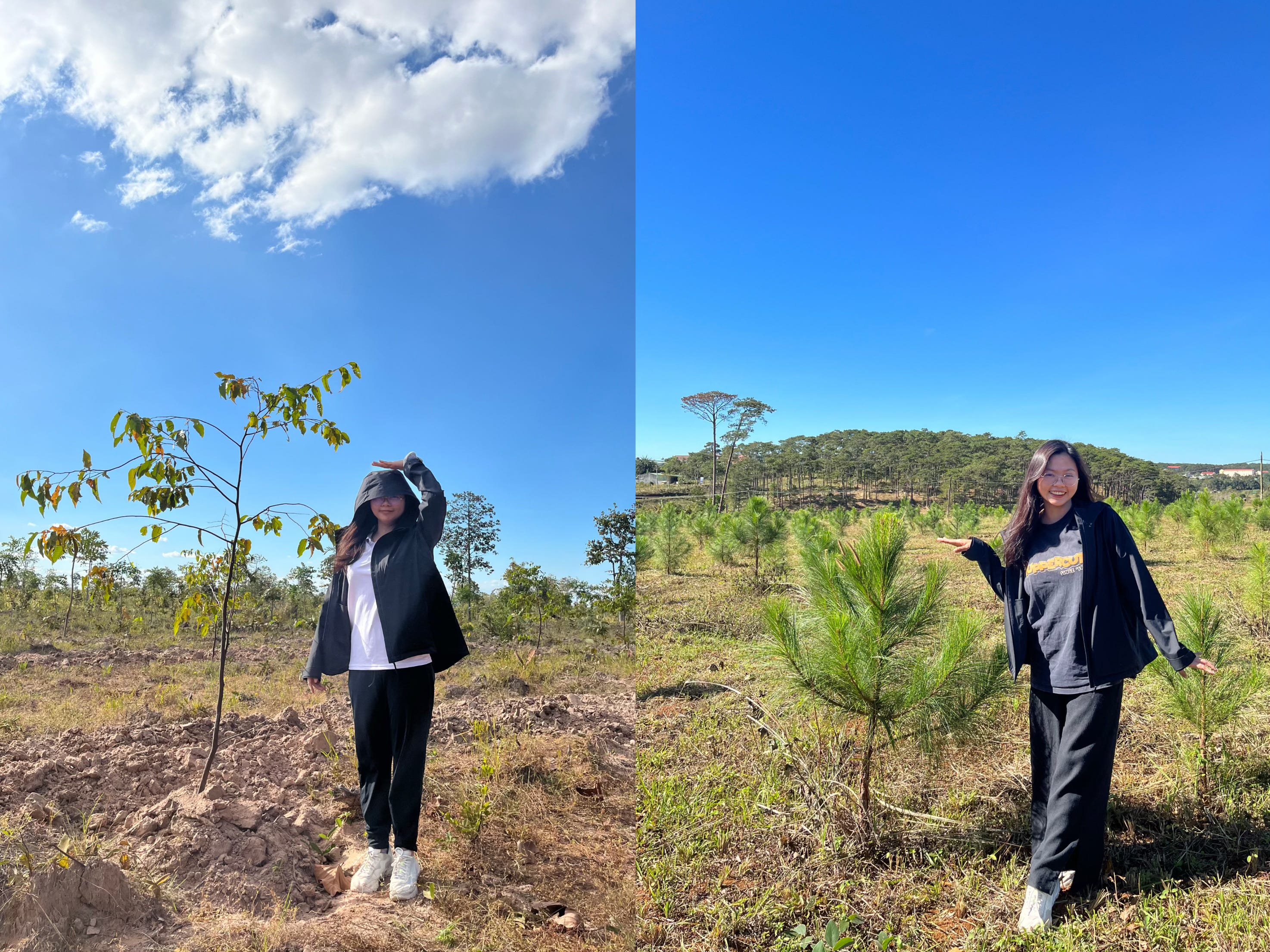
Before that approval announcement, I actually had been there, in Ham Thuan Bac, Binh Thuan, to plant 60,000 trees in watershed areas within my company's sustainability program. During 3 years of implementation, we planted 165 ha in watershed areas, with the purpose of cultivating water (because we are beverage manufacturer so we want to return the water amount we used in our production).
I couldn't wrap my head around it. We were struggling to measure our impact, to build community trust and stakeholder accountability, and to manage incremental budget for long-term expansion plan, and at the same time, others were actively legalize forest destruction of century-old forest. Different agendas. Different priorities. Different futures.
What that forest could have been
I came to Japan carrying questions I didn't know how to ask. I'm learning how to measure what forests do, not just count trees, but quantify ecosystem services. Water purification capacity. Carbon sequestration rates. Erosion prevention. Biodiversity support. I'm learning how Payment for Ecosystem Services works, how to design systems where people who benefit from forests pay to maintain them. How to structure incentives. How to verify compliance.
I'm learning that long-term commitment isn't about 5-year corporate social responsibility programs. It's about institutional structures that last decades. University forests operated for generations, and my university's forest has operated for 10 years. Water supply systems designed for centuries.
Here's what Japan taught me: The choice isn't between forests and development. It's between short-term extraction and long-term investment. Between measuring value only in timber and land use, or measuring value in ecosystem services.
Yokohama residents pay approximately $6-8 per person per year in water source taxes. For that, they get reliable clean water, flood protection, carbon sequestration, and biodiversity conservation.
New York City invested $2.5 billion in watershed protection to avoid spending $10 billion on a filtration plant plus $365 million per year in operating costs. 25 years later, they are still saving money. The forests are still there. The water is still clean.
Sometimes I imagine an alternate timeline for that international school in Vietnam. Instead of cutting down the forest, they could integrate it. The forest becomes a living laboratory. Vietnamese sustainability practitioners study watershed management where watershed actually exists. Students learn forest ecology in an actual forest. They measure soil moisture, carbon storage, water quality, observe seasonal changes.
I wish I would know the words then to say: The forest is the biggest school. Nature is the wisest teacher. Education should teach us to learn from it, not give us excuse to destroy it.
But somewhere in Vietnam, there is another forest. Maybe it's facing pressure from developers right now. Maybe someone is arguing that we must sacrifice it for progress.
In that case, I just want to be there for that conversation.