

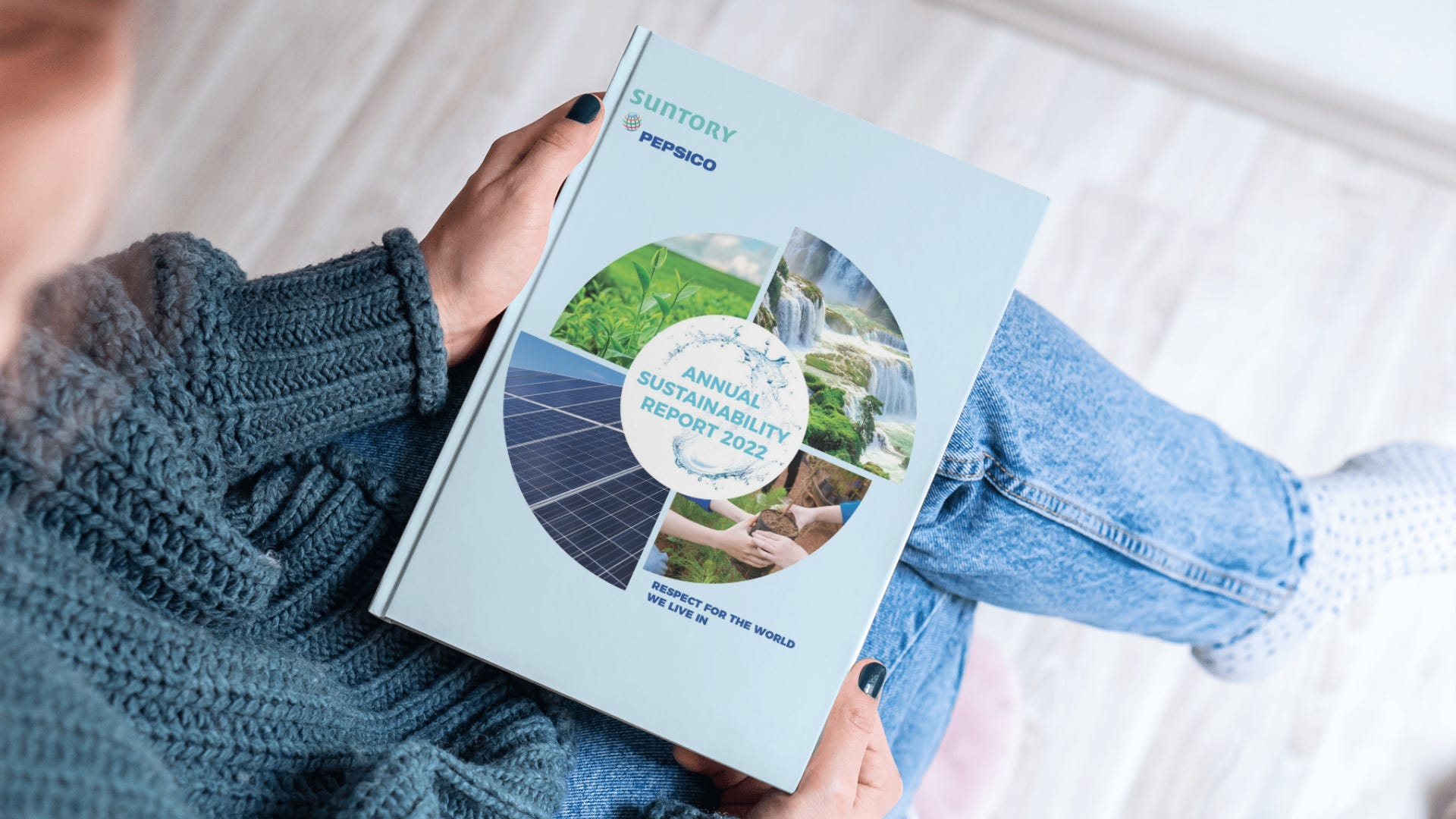
When I first joined my company, my manager assigned me a task that I would come to cherish: conducting our very first Sustainability Annual report. After 2 years of hard work, we finally had some progress to share with the world. It was certainly a challenge, with an opportunity to take over the reins and shape things my way.
As someone who has worked in corporate communications for various companies, delivering reports has always been part of my responsibilities. These documents demonstrate information, achievements, objectives, philosophy, and more. They're a legacy for not only disclosure archive purpose but also management strategy.
While there are many global standards and frameworks to follow, audits to conduct, and a need to present a professional, world-class document, my manager said,
"Just make a report for our consumers who can read it and understand it easily."
I pondered over this seemingly simple advice. Over the years, I often wondered who the actual readers of my reports were. Apart from government authorities or company leaders, our target audience was diverse: our employees, partners, clients, media, the general public, and so on. The corporate communications jargon often used in these reports, however, made them inaccessible to a 10-year-old child, making them challenging to read. But how can we claim our business is consumer-oriented and consumer-centered if our communication fails to reach people in a straightforward and simple way?
This time, I decided not to treat it as a “tick-box” exercise anymore. With a fresh perspective, I aimed to engage consumers in our quest for true impact, with intent, to be real and vulnerable. The report turned out to be short and sweet, without adhering to any long and complicated frameworks. It still contained sufficient, verified information to avoid greenwashing and greenhushing.
However, after releasing this report to our internal and external stakeholders, I quickly realized that our current governance was lacking in many areas, thanks to valuable stakeholder feedback.
We lacked science-based tracking indicators and measurements, which meant we hadn’t actually implemented them in our daily manufacturing operations.
We lacked evidence of social impact despite having initiated programs more than ten years ago, which meant that we hadn’t truly integrated social considerations into our ongoing and long-term governance strategies.
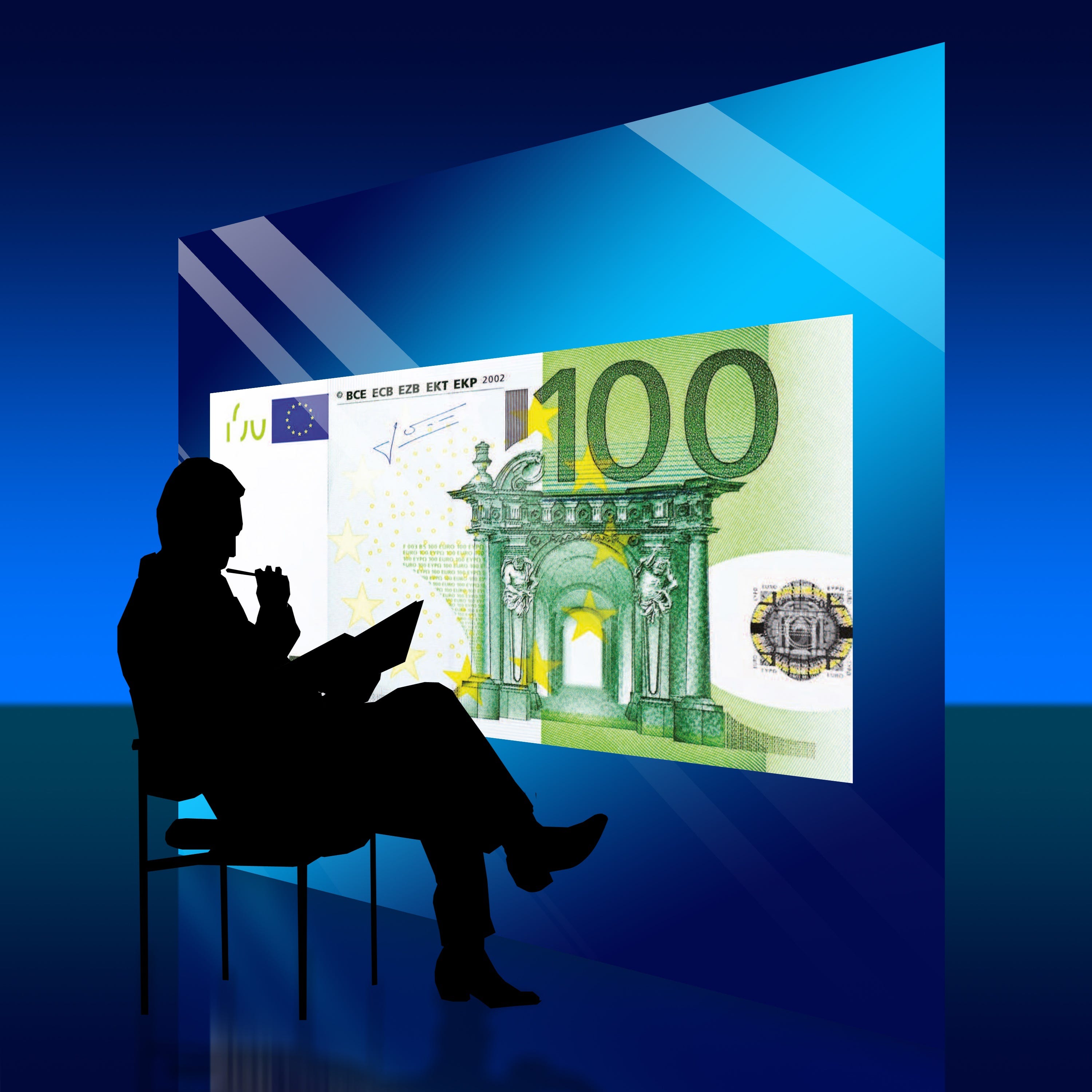
We also lacked comprehensive financial data to assess our environmental impacts and investments in driving positive change, as well as other regulatory compliance measures. This lack of transparency meant we remained conservative in our approach and weren’t genuinely open about our progress, leading to numerous questions and doubts from our stakeholders.
(Economics is critically important to our stakeholders because it’s the common thread that connects everyone, which is why I believe the ESG - Environment, Social, Governance framework alone isn’t sufficient for sustainable business. At the end of the day, money matters.)
These insights, along with many other lessons learned, helped me strengthen my subsequent sustainability strategy for the business. Through valid feedback, meaningful engagement, and purposeful dialogue with stakeholders, I came to assume that if I had written in an overly academic, formal, or complicated manner, I would never have received such clear direction for improvement.
Ultimately, we don’t need to chase perfection in a domain as complex as sustainability, we need continuous improvement, day by day. Simplicity and authenticity fuel this process, not only in reporting but also in communication and messaging around sustainability.