

“Despite the fact that I am working in Tourism Department of this town, I personally never expect there will be more tourists coming to this island”, the manager said, giggling softly.
We all laughed. The irony was not lost on anyone in the room.
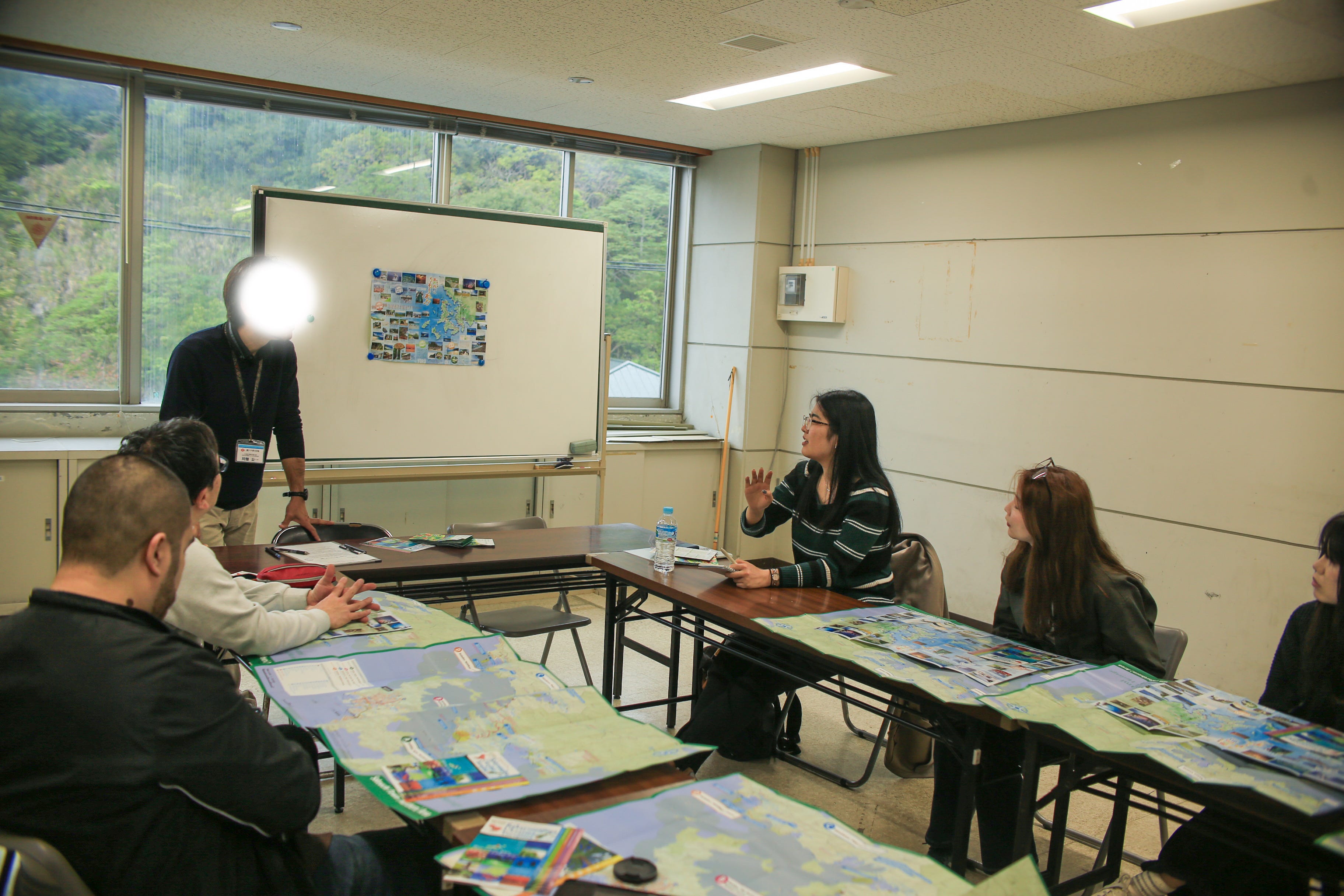
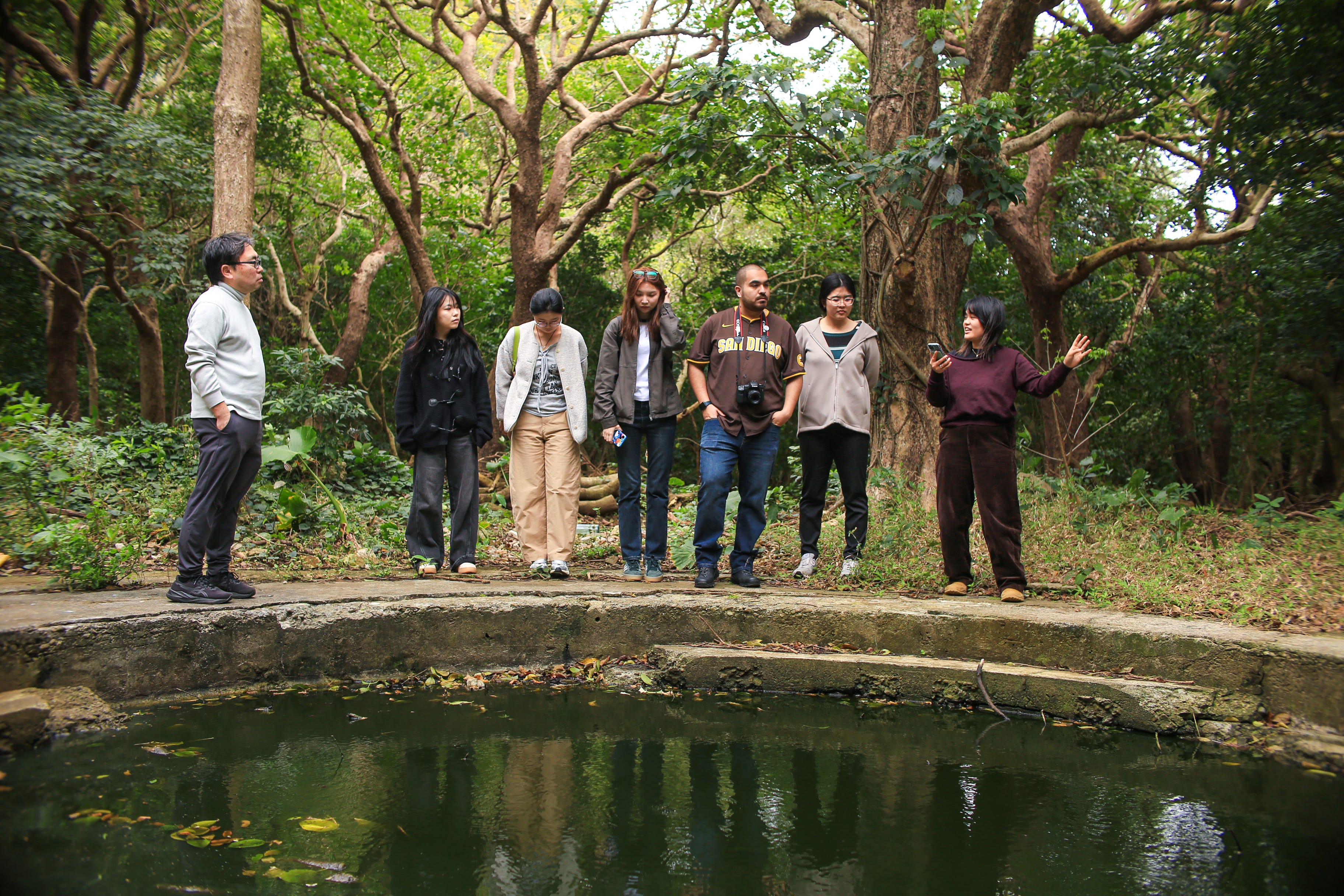
But his words stayed with me longer than the laughter did. Because there I was, one of six graduate students on a field trip to Amami Oshima Island, studying sustainable tourism in a place that, at least in part, would rather be left alone.
We were, by every honest definition, tourists first.
An island that has everything
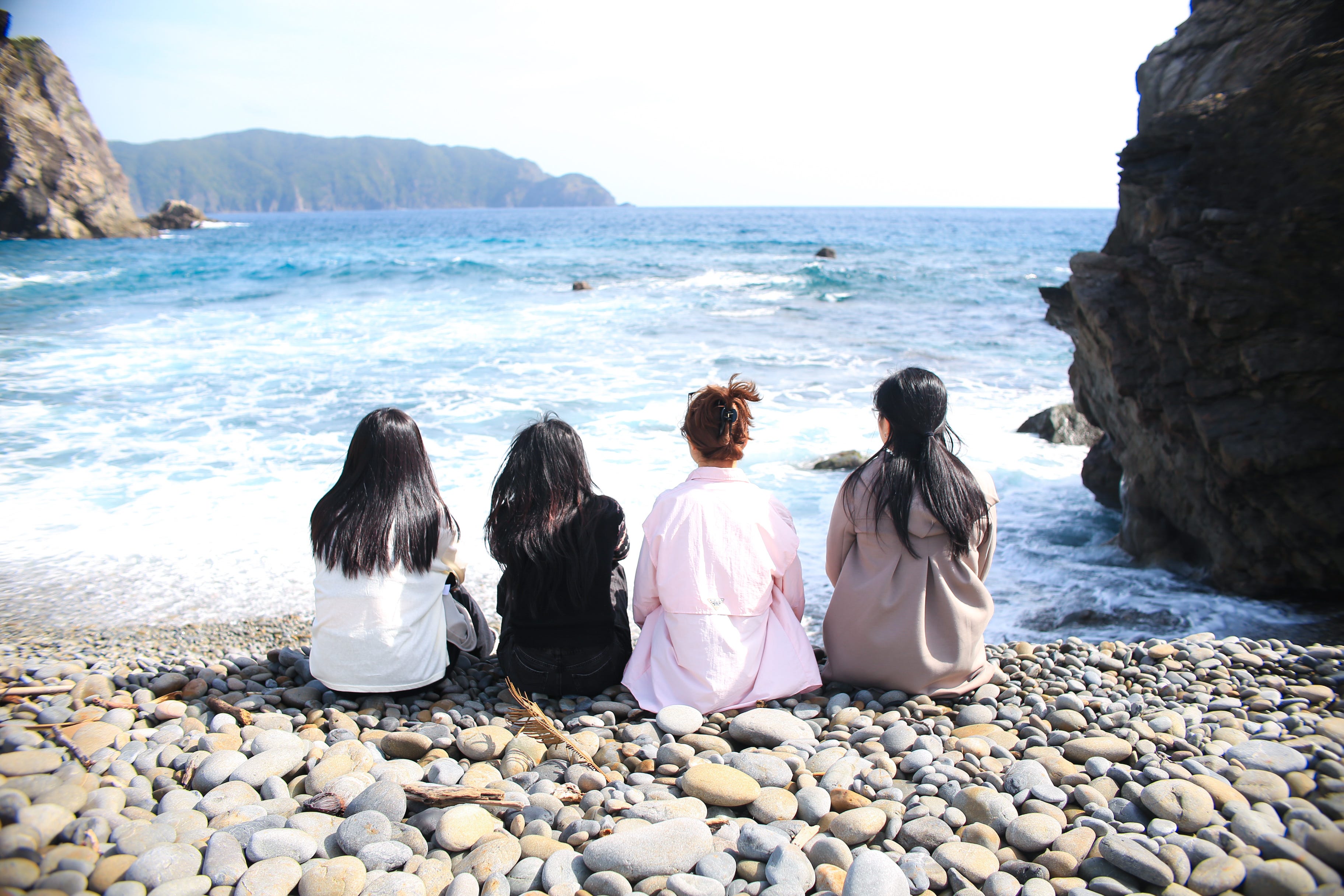
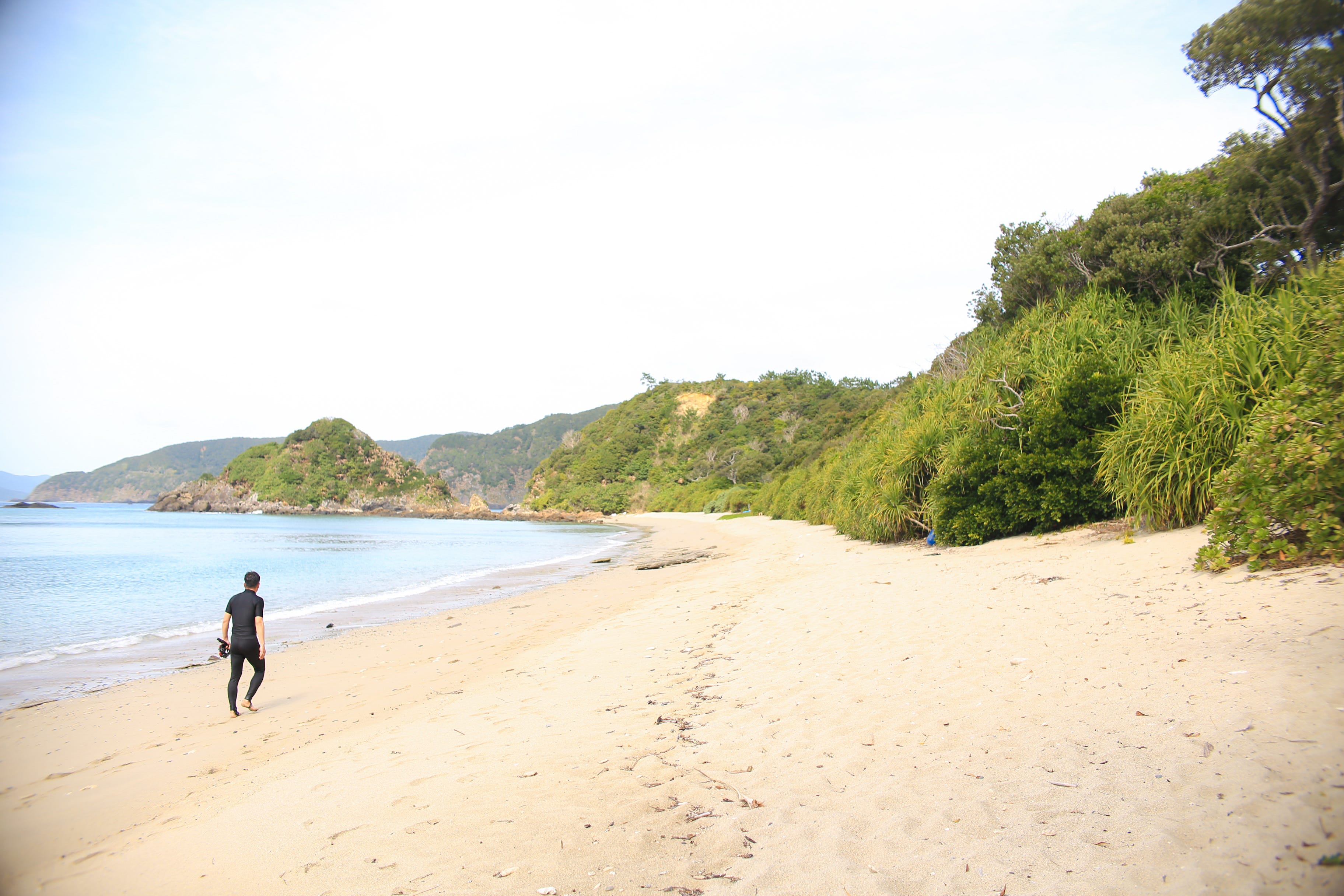
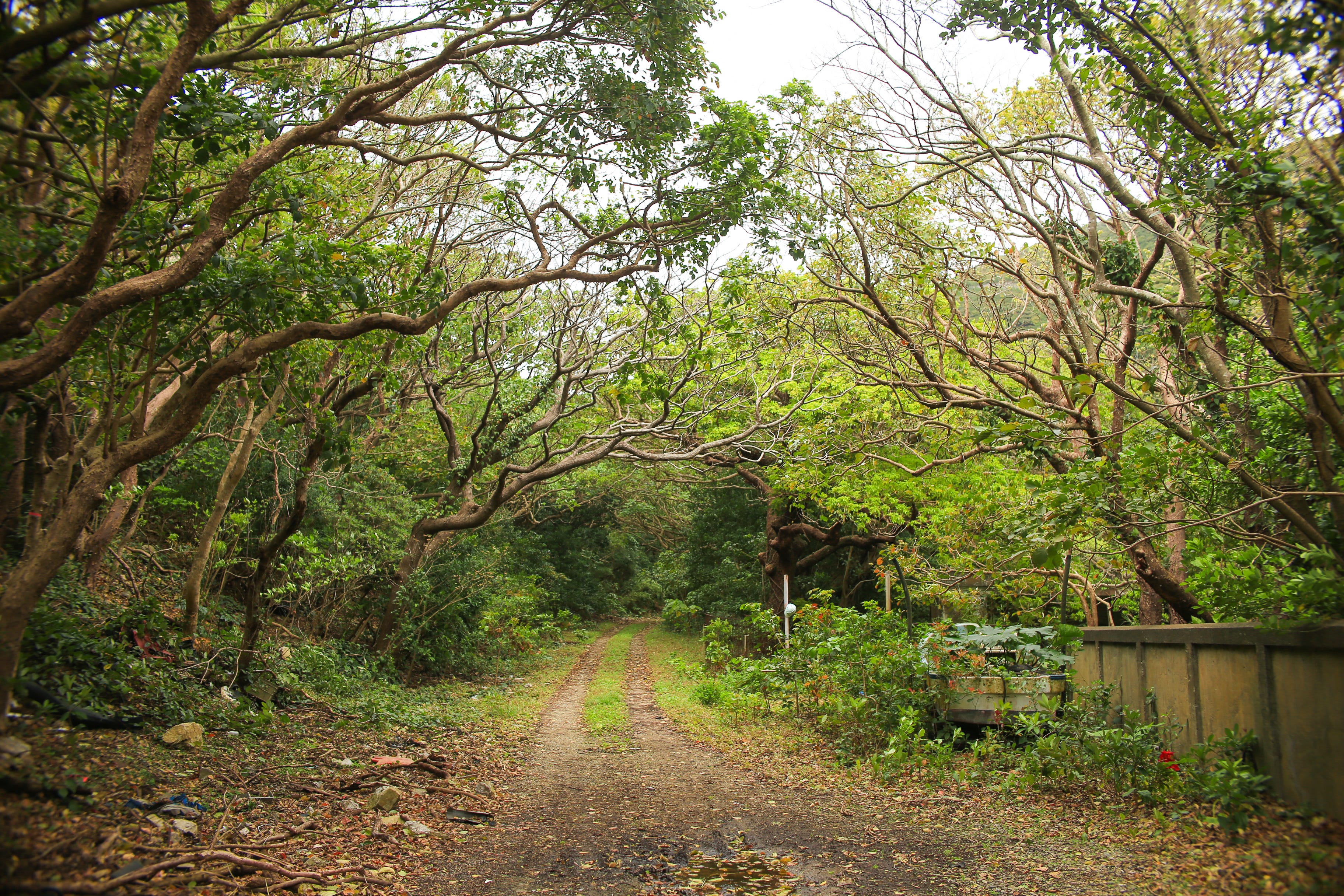
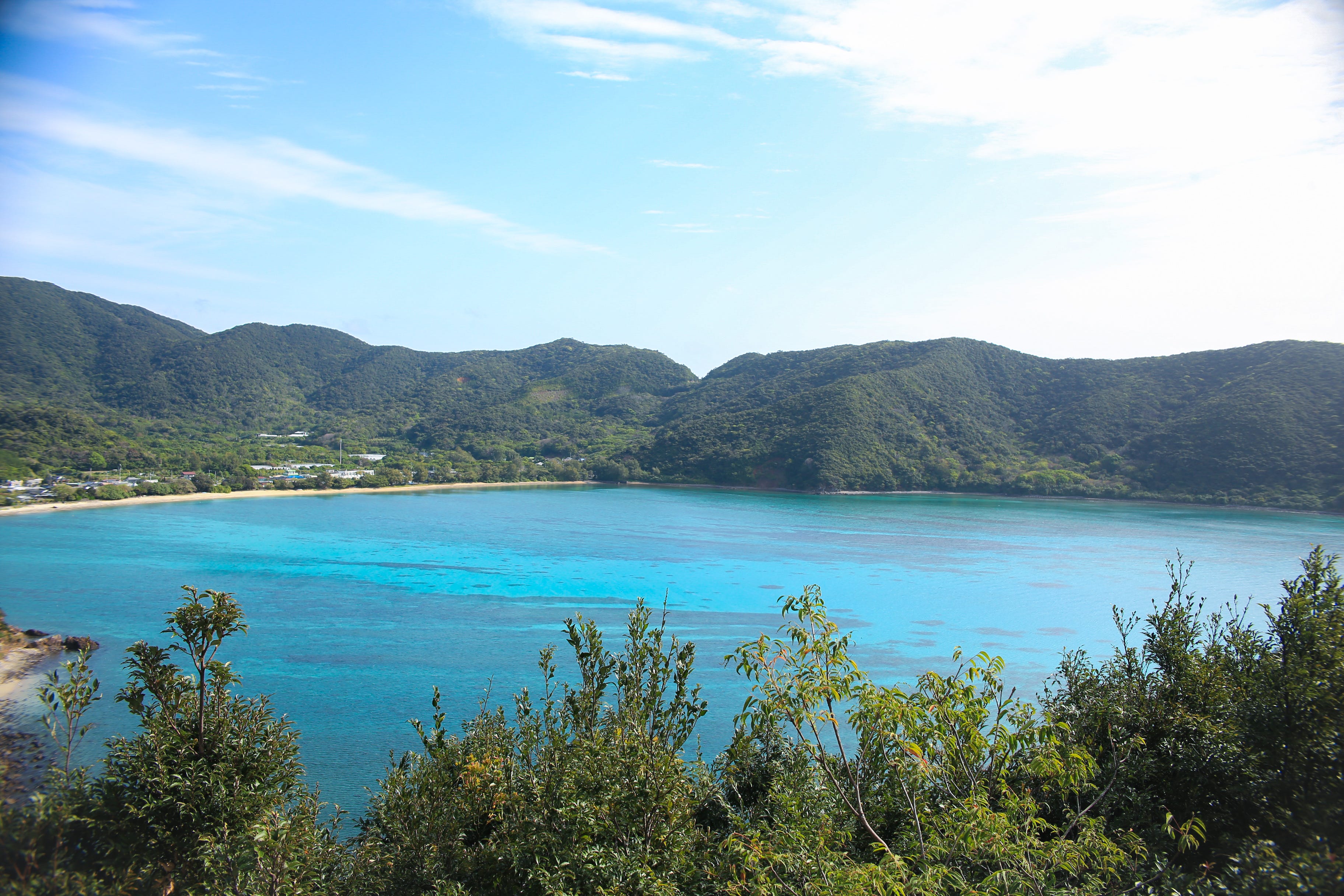
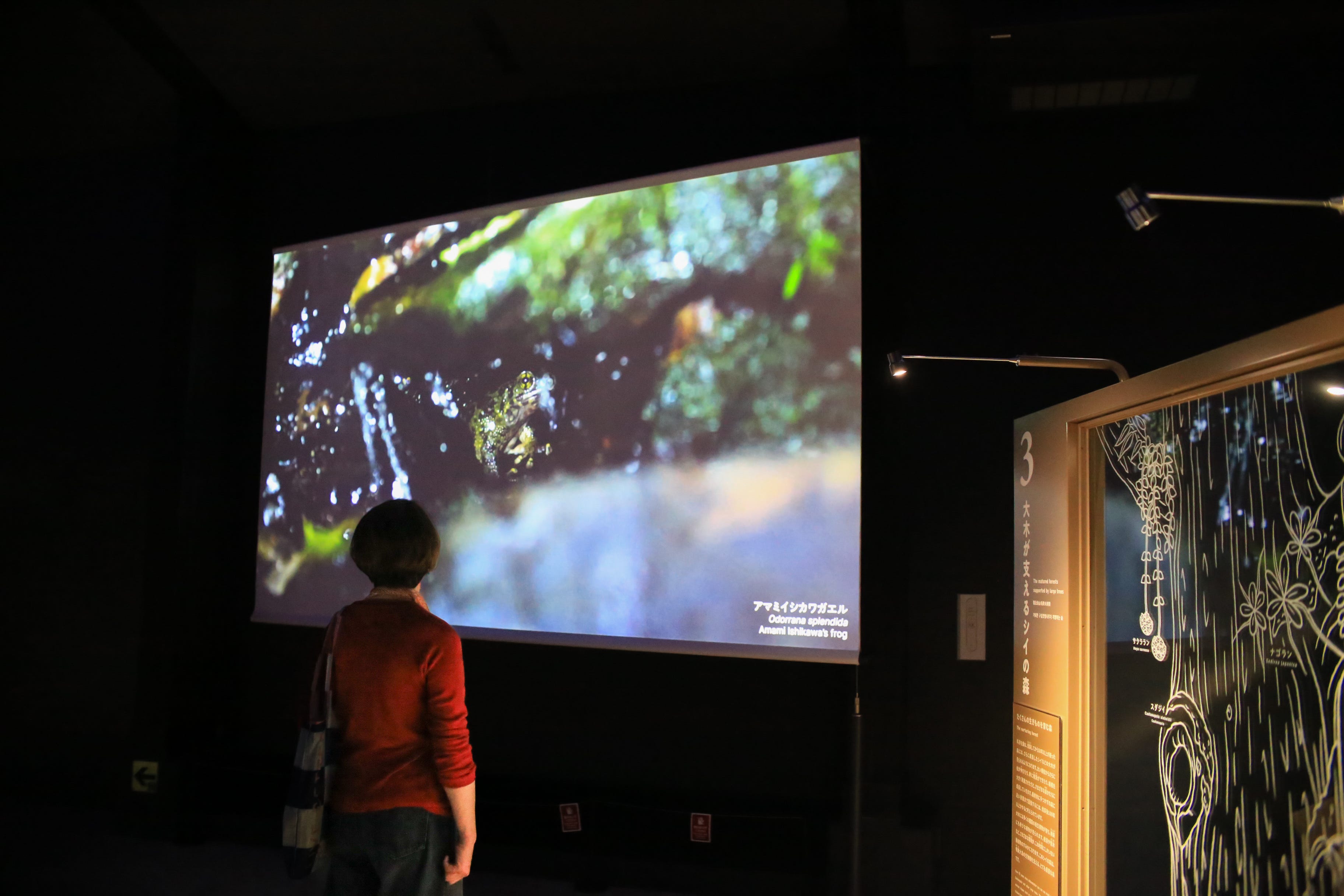
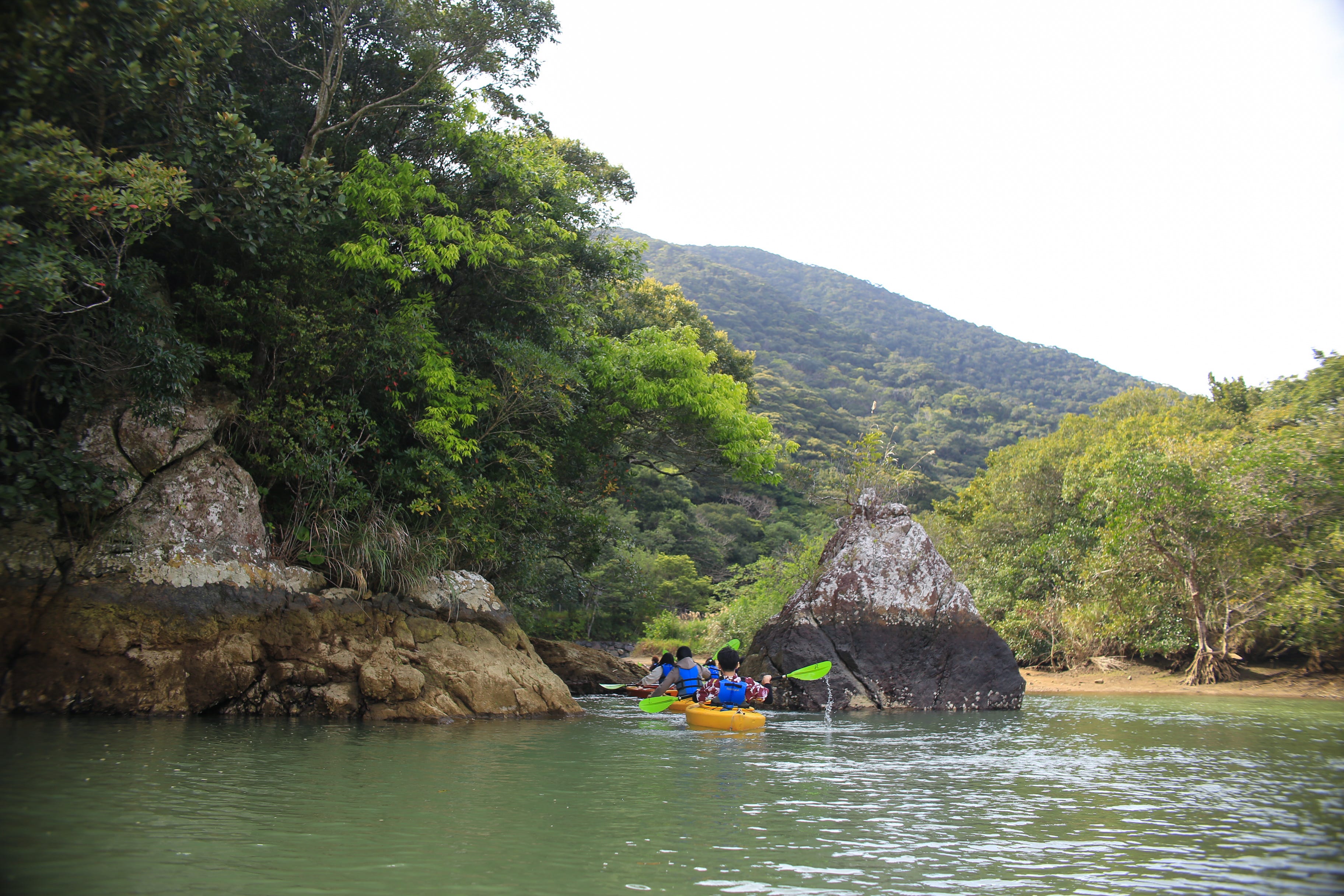
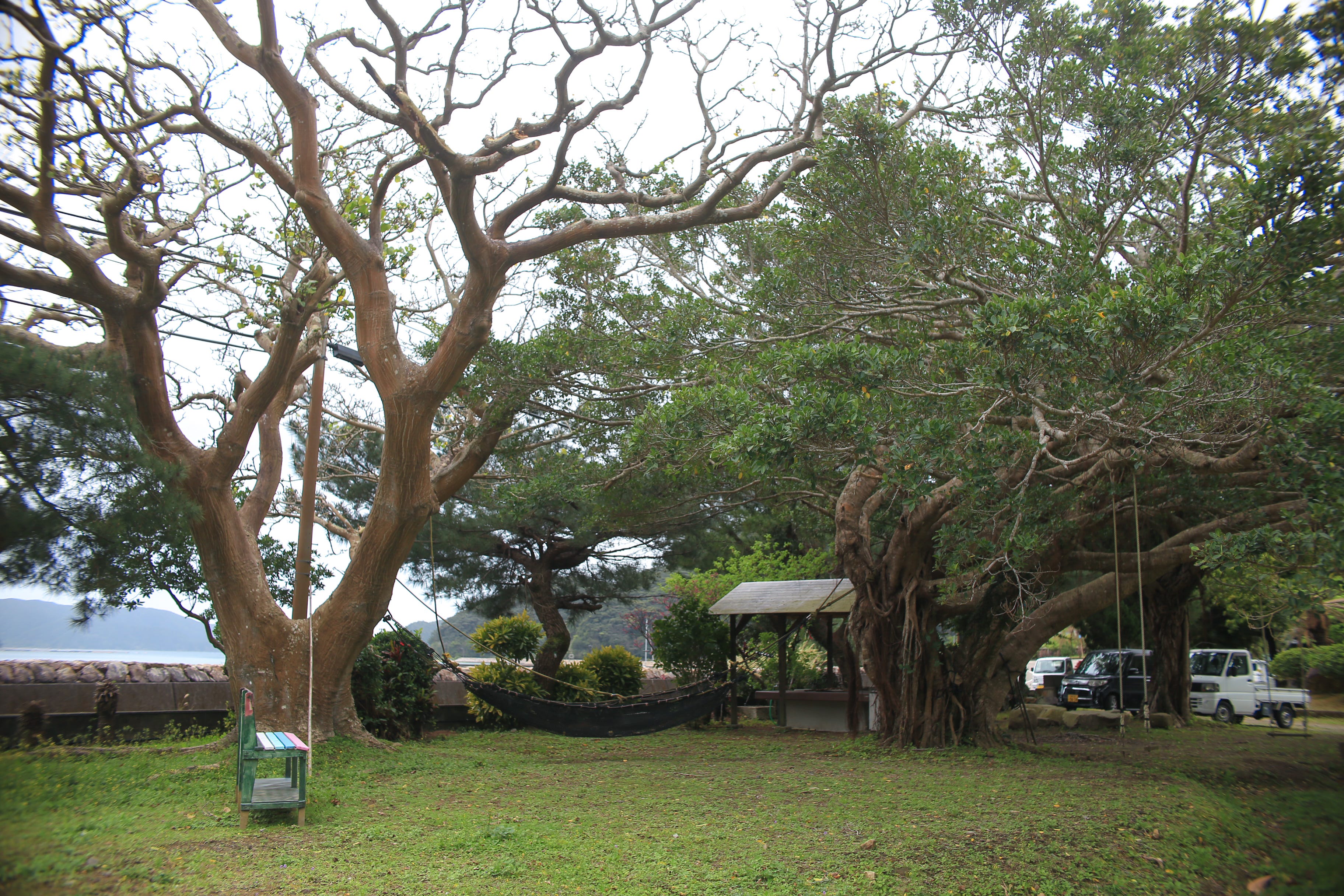
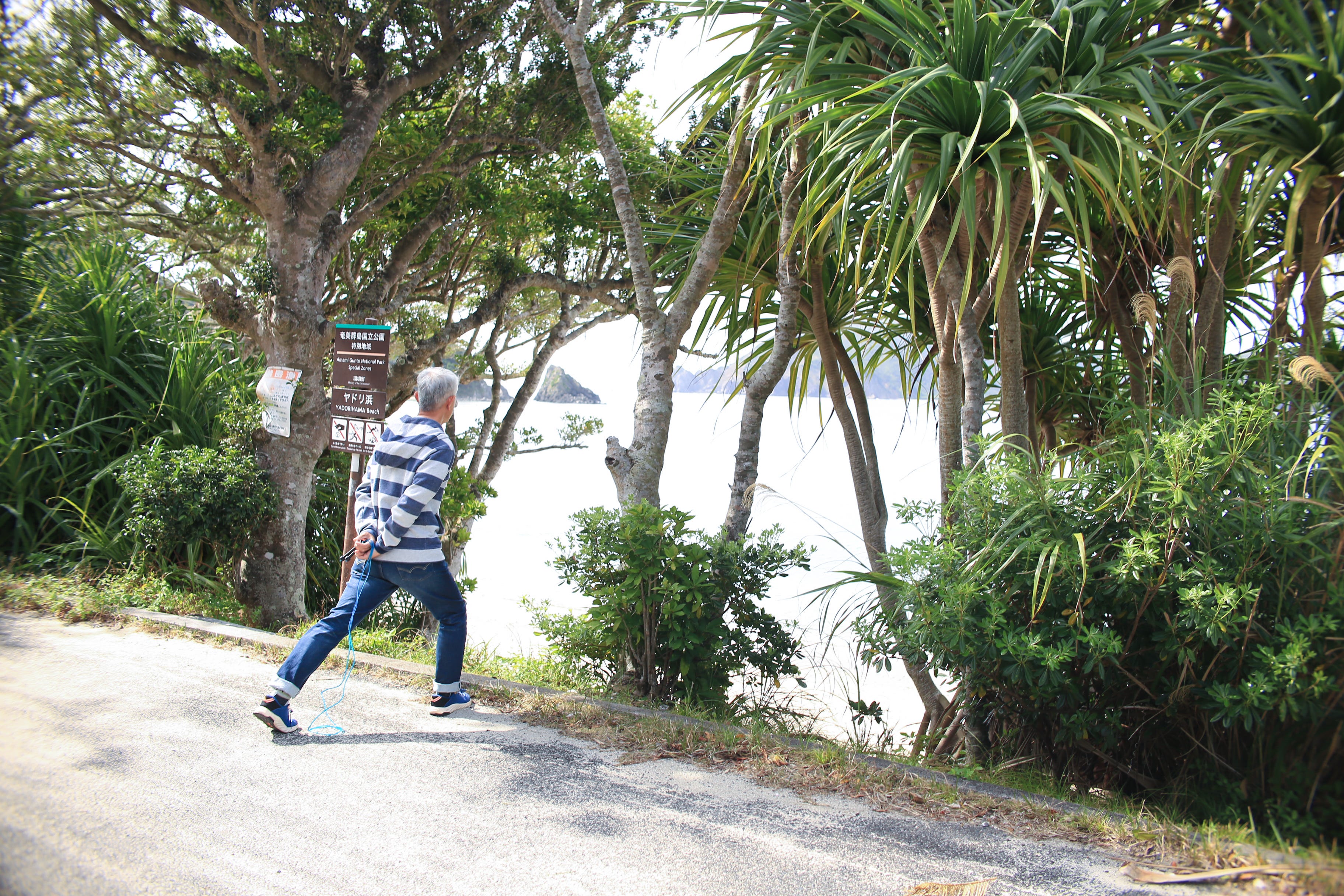
Amami Oshima is blessed with 87% occupied by mountains and forests, and landscapes shaped by coral reefs. The mountains are home of endemic species found nowhere else on earth: Amami black rabbit, Amami Ishikawa frog, venomous Habu viper. Under 80% subtropical evergreen broadleaved forests, the ecosystem hums with a richness that reminded me, a Vietnamese, of home in the best possible way. The banyan trees here carry the same quiet mythology as the ones from the old stories I grew up hearing.
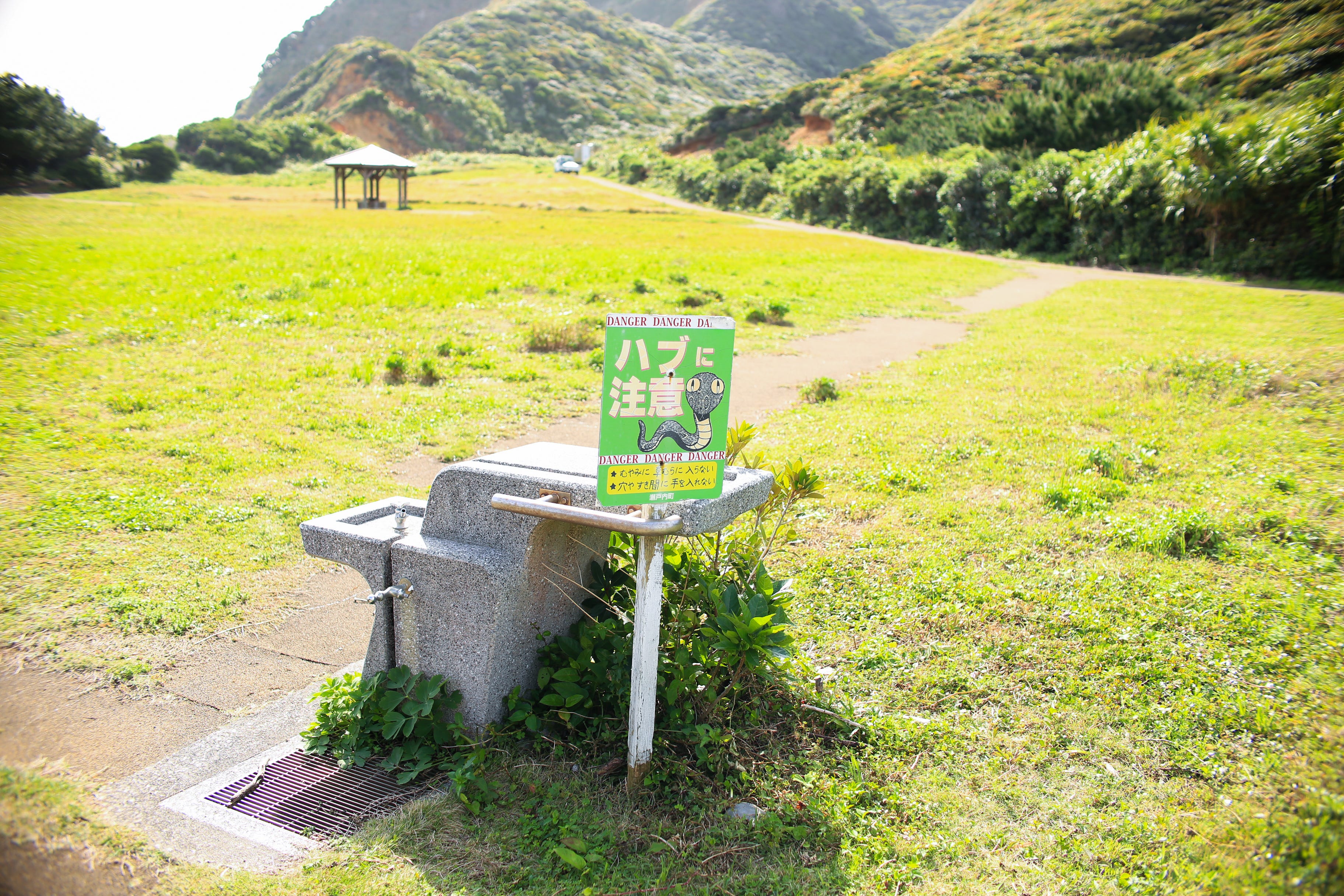
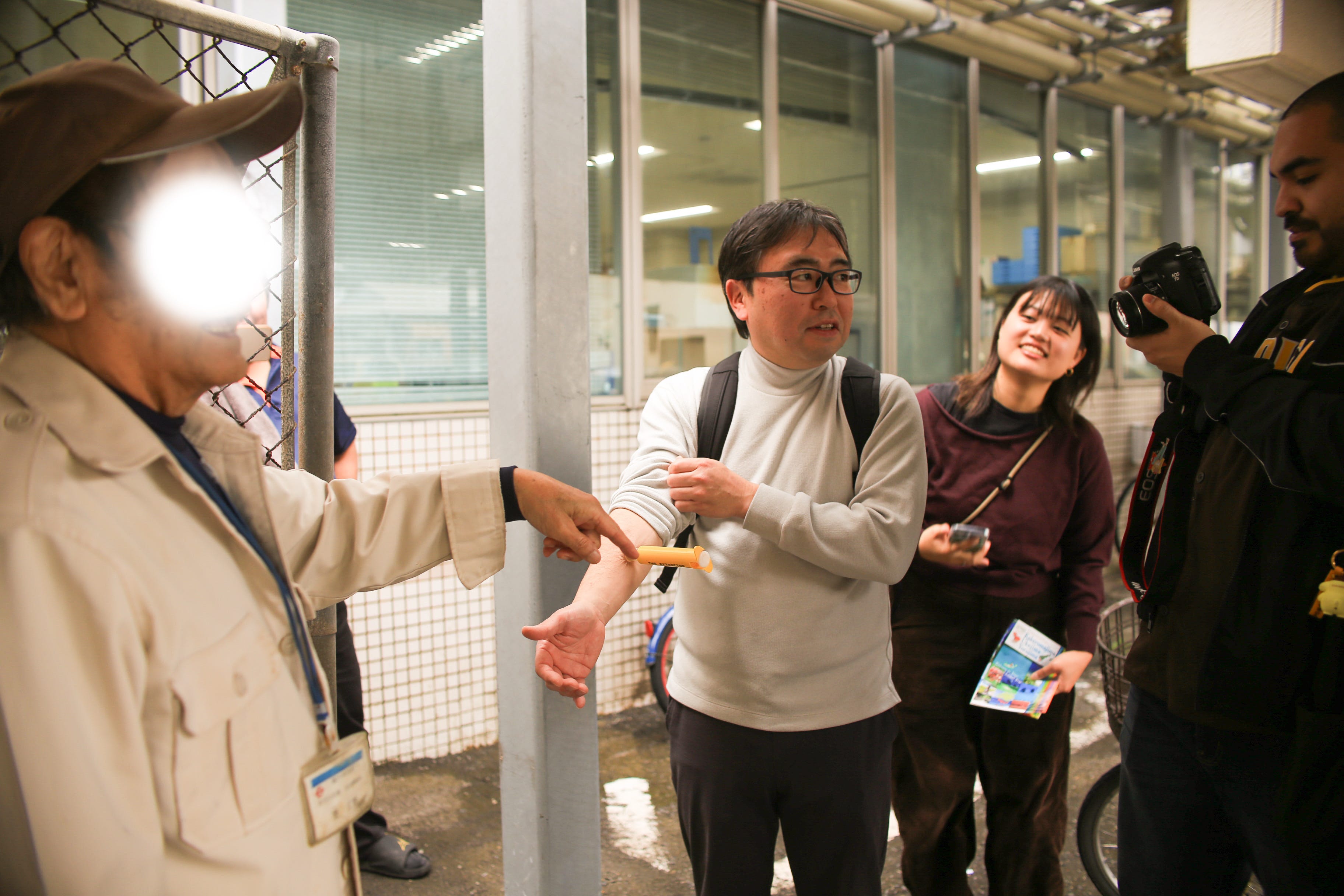
I used to hate snakes. But I have learned that a snake sighting means a healthy ecosystem is doing its job. On Amami, snake warning signs appear around nearly every trail. And if you actually find one, you can bring it to the local government office and receive 3,000 yen as part of a rescue program.
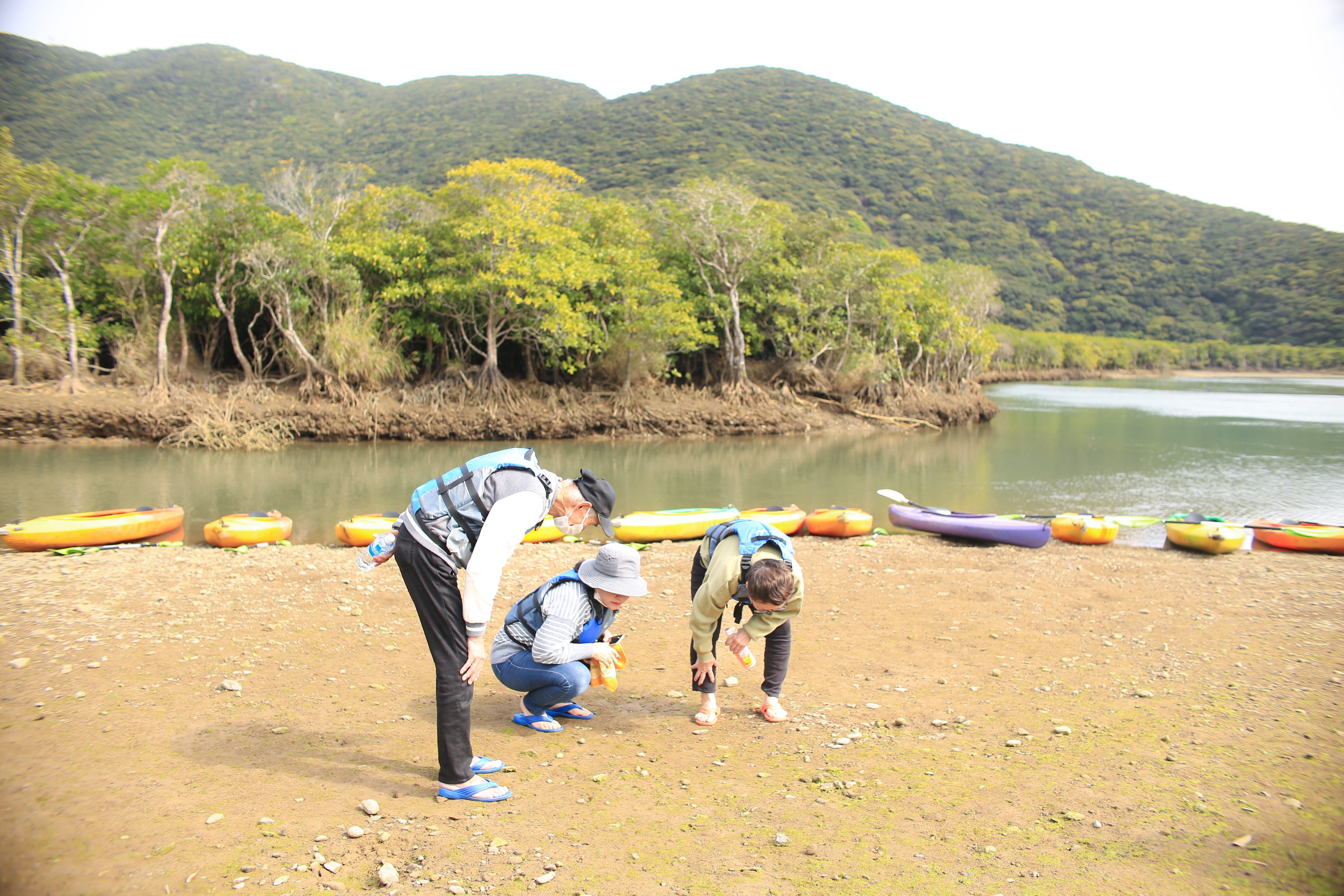
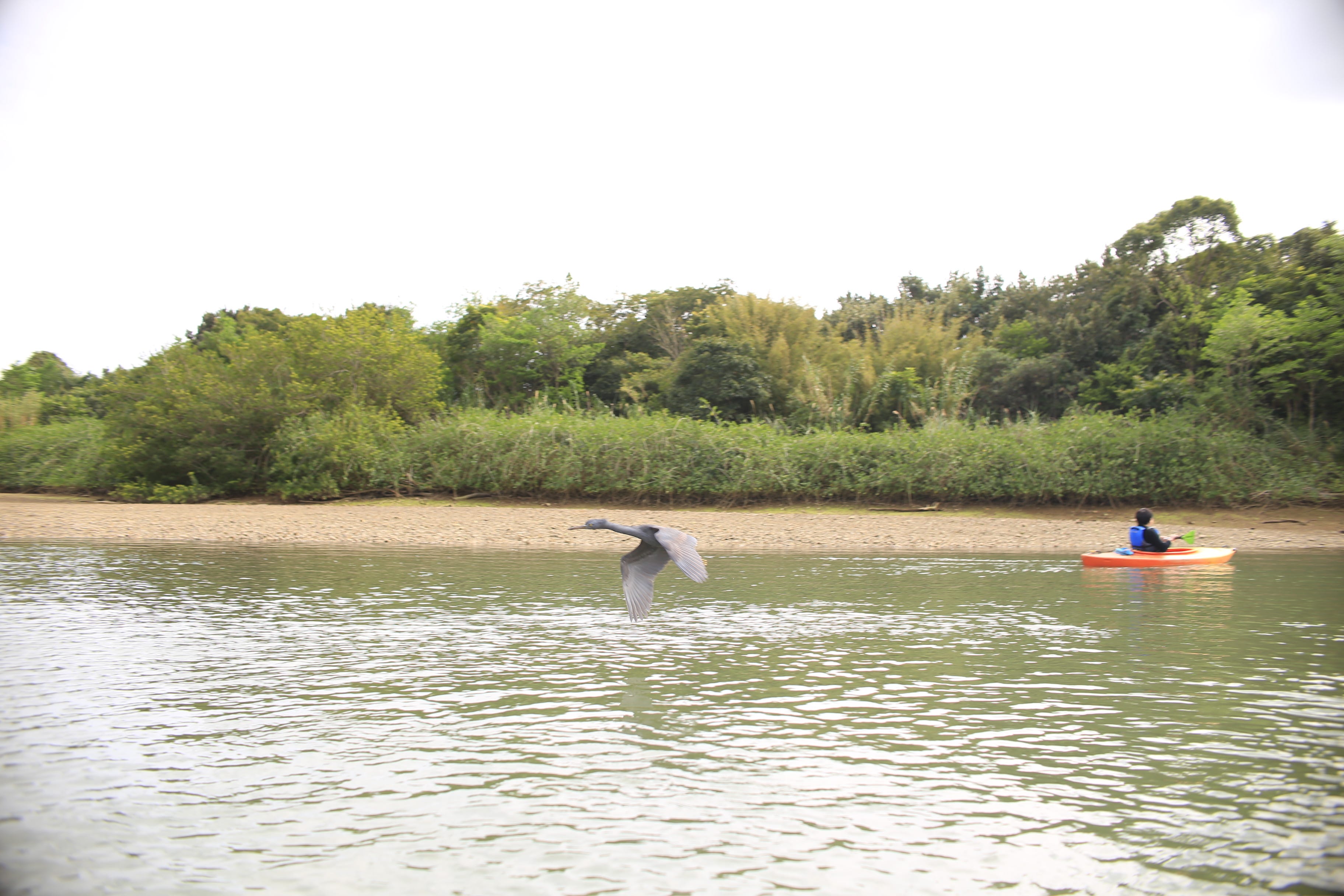
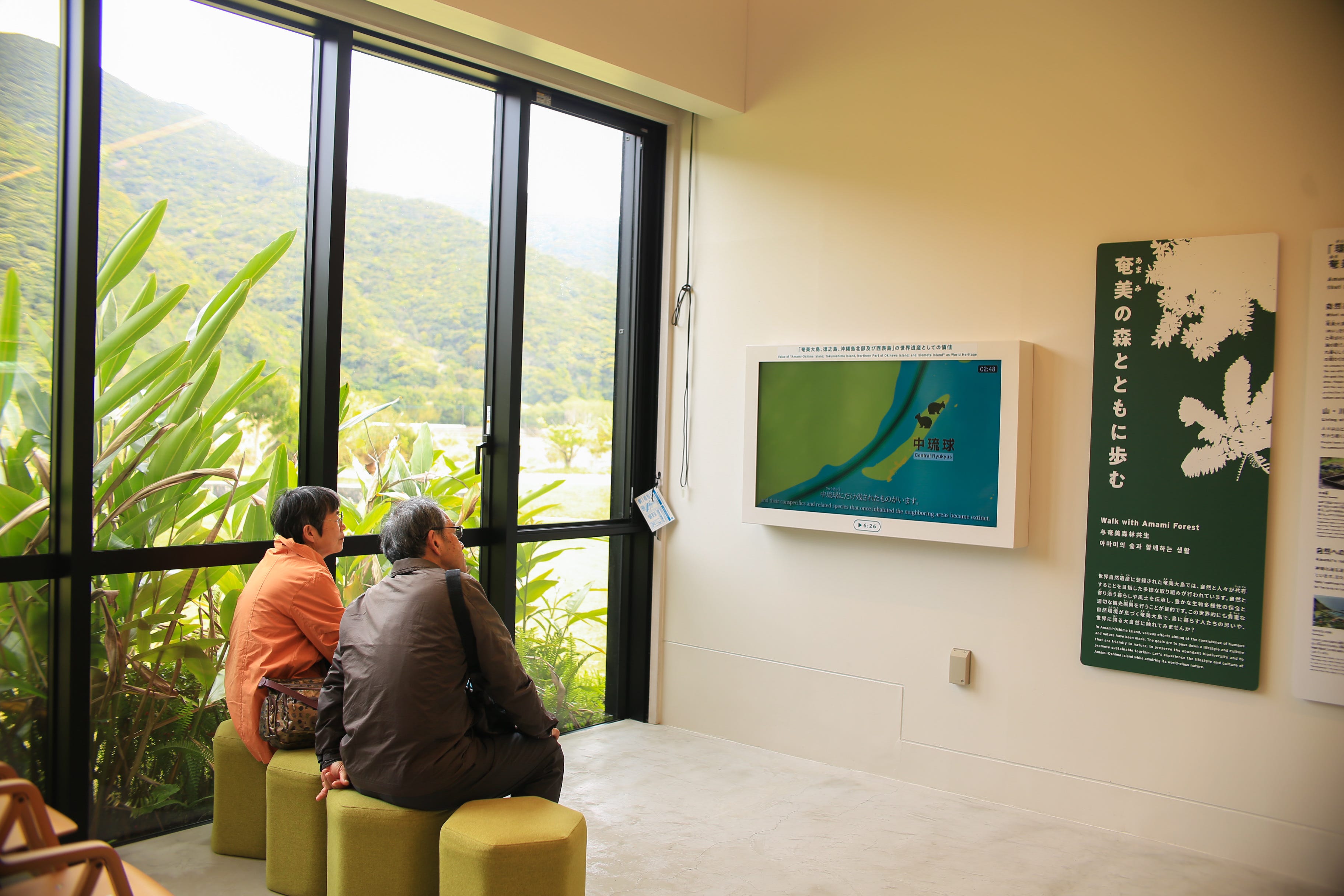
And what's more, the sea here is really a thing. Time your visit right and you might encounter whales, sea turtles, or even the endemic Amami starry night puffer. Come at any other time and you still get extraordinary coral reefs, clear sandy seabeds, and one of Japan's largest mangrove forests. The island became a UNESCO World Natural Heritage site in 2021, and spending 4 days here makes it easy to understand why.
The real treasure of the island
But the island's most valued treasure is not only its biodiversity but its people. Similar to other remote areas across Japan, the declining population is a big issue here.
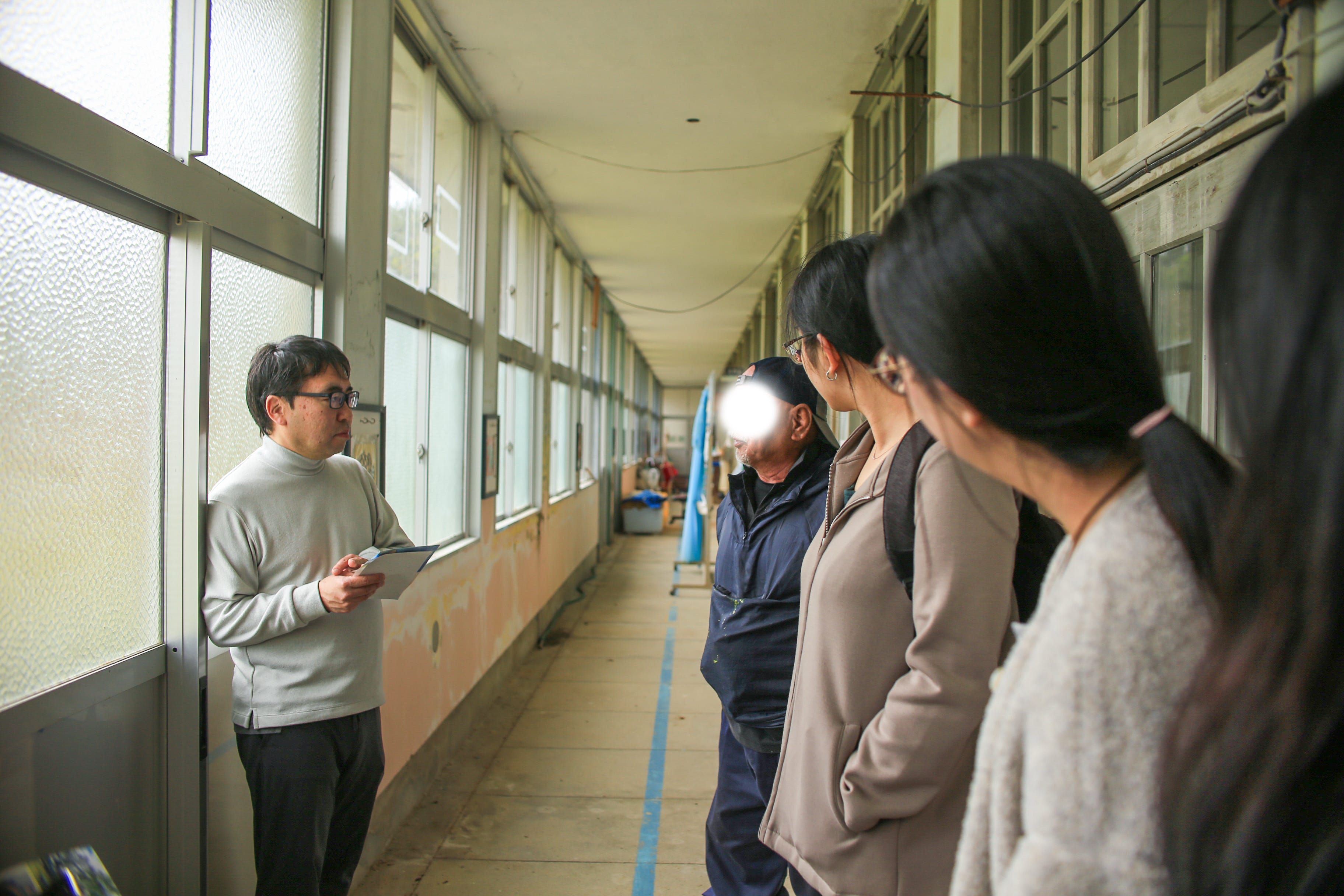
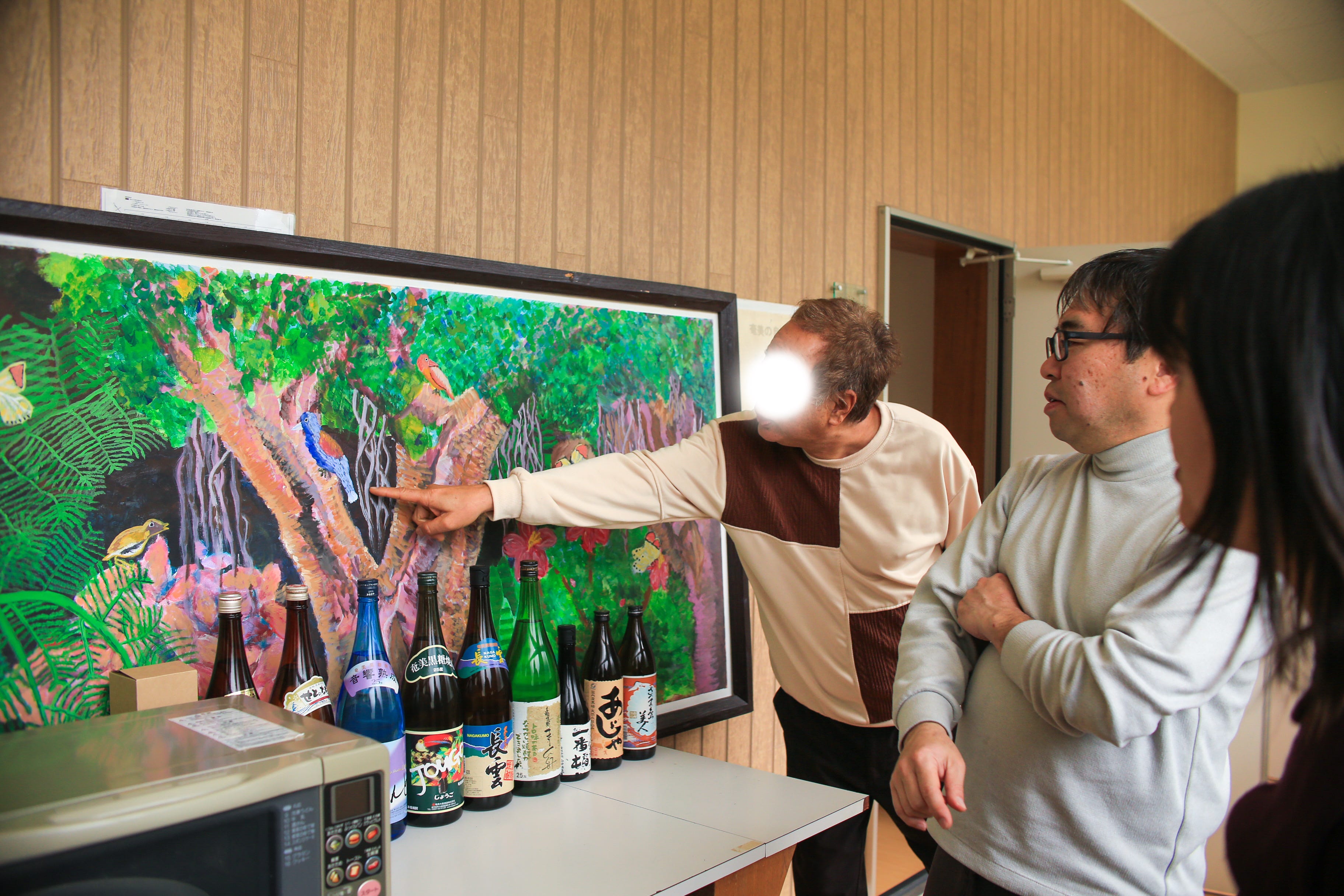
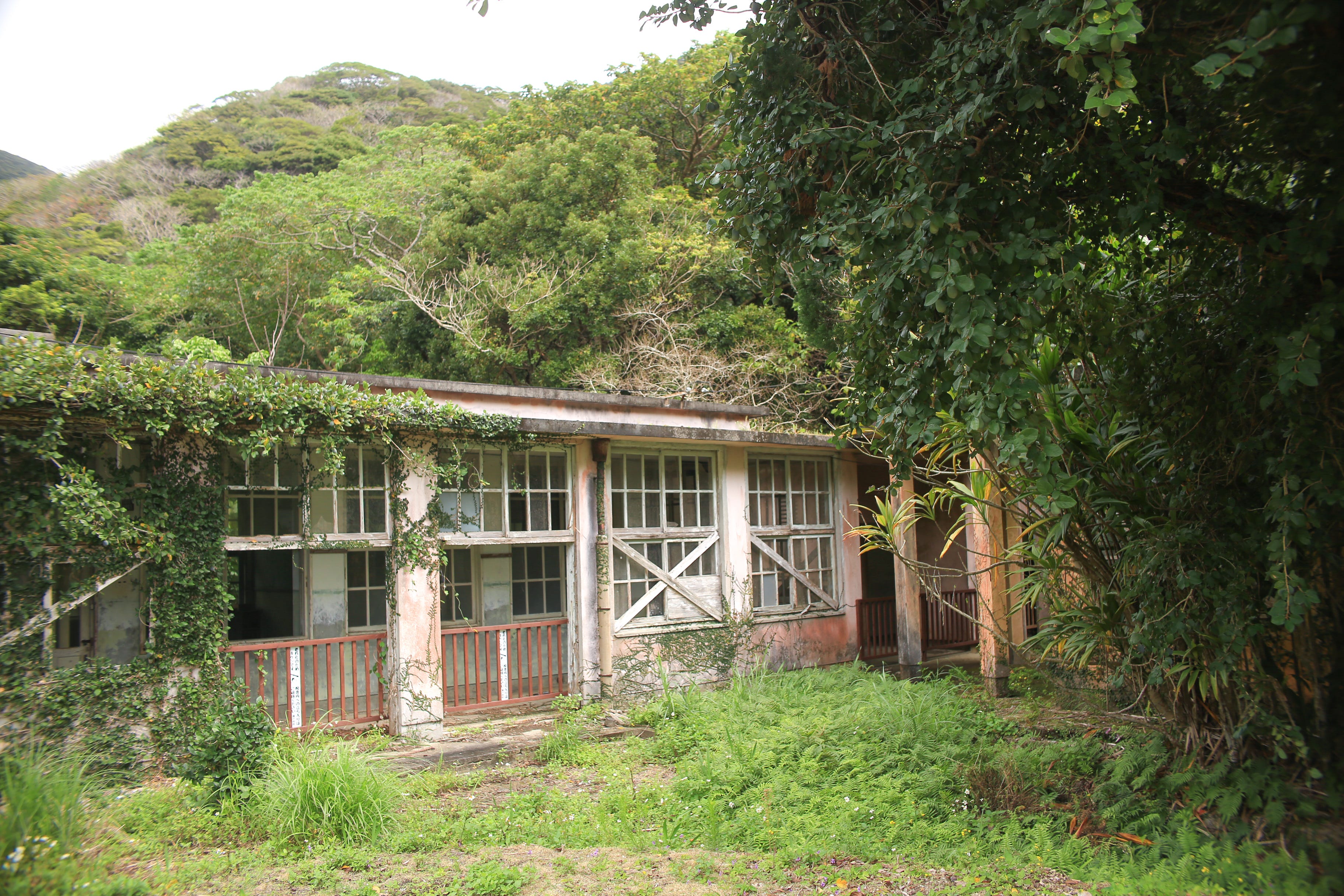
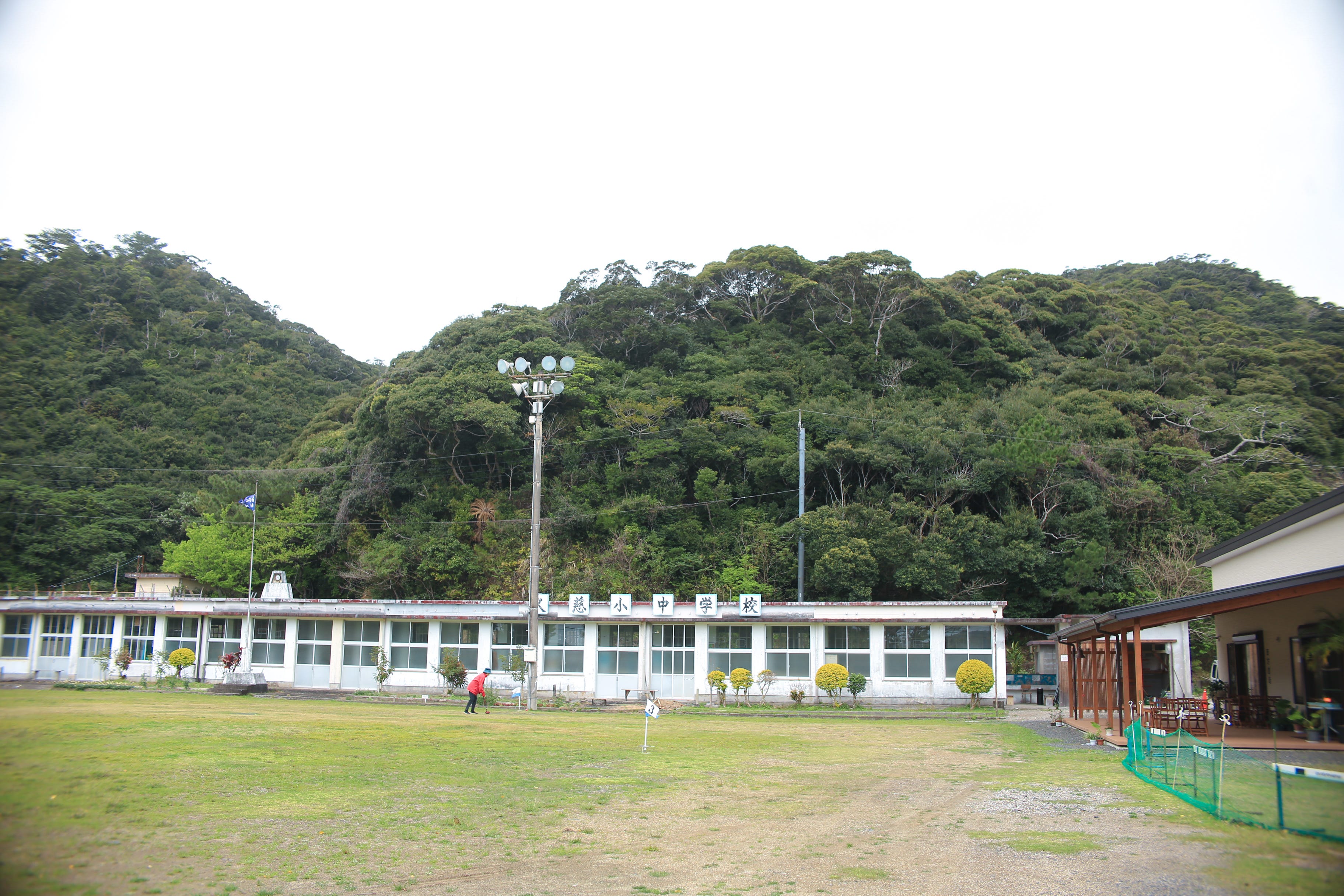
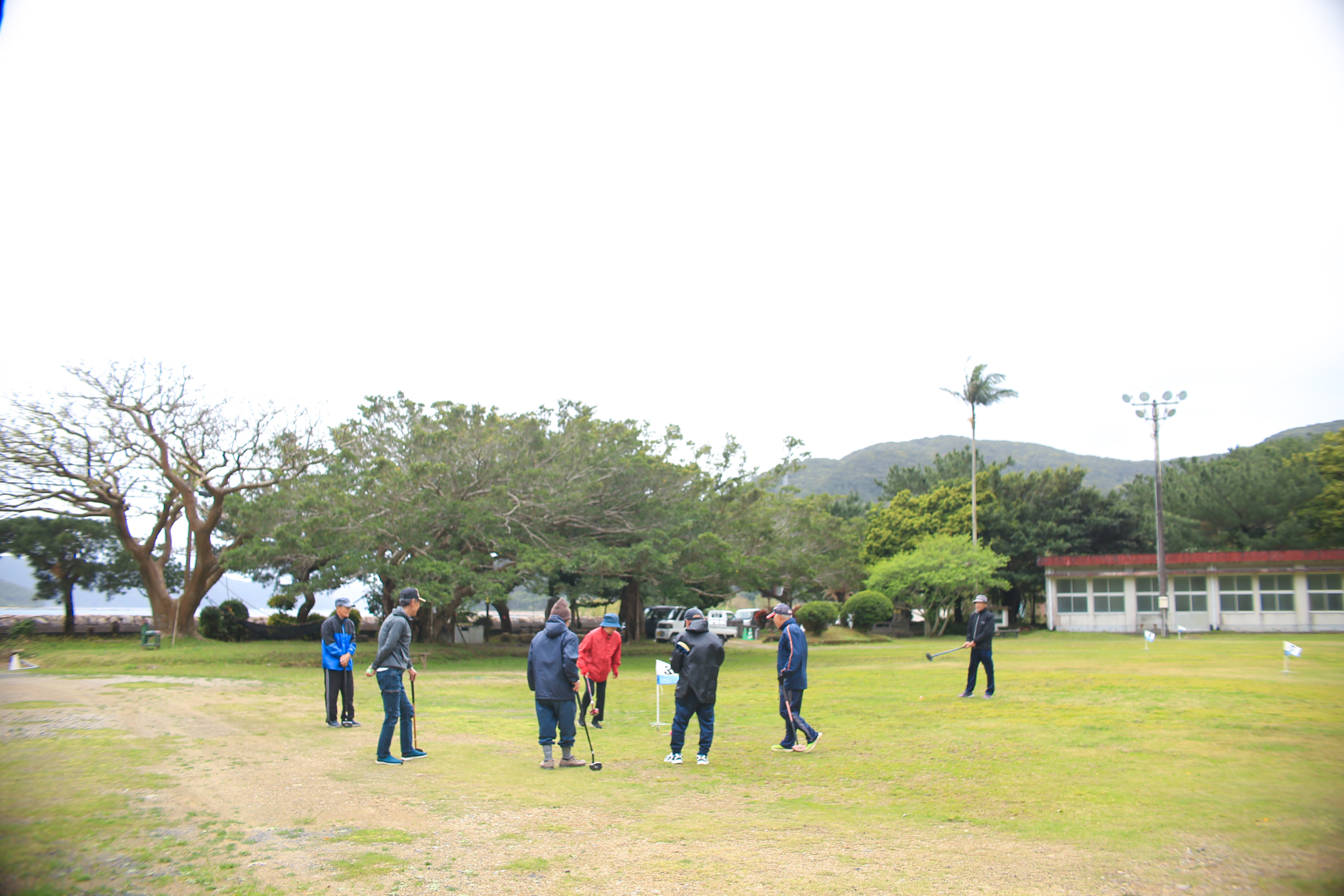
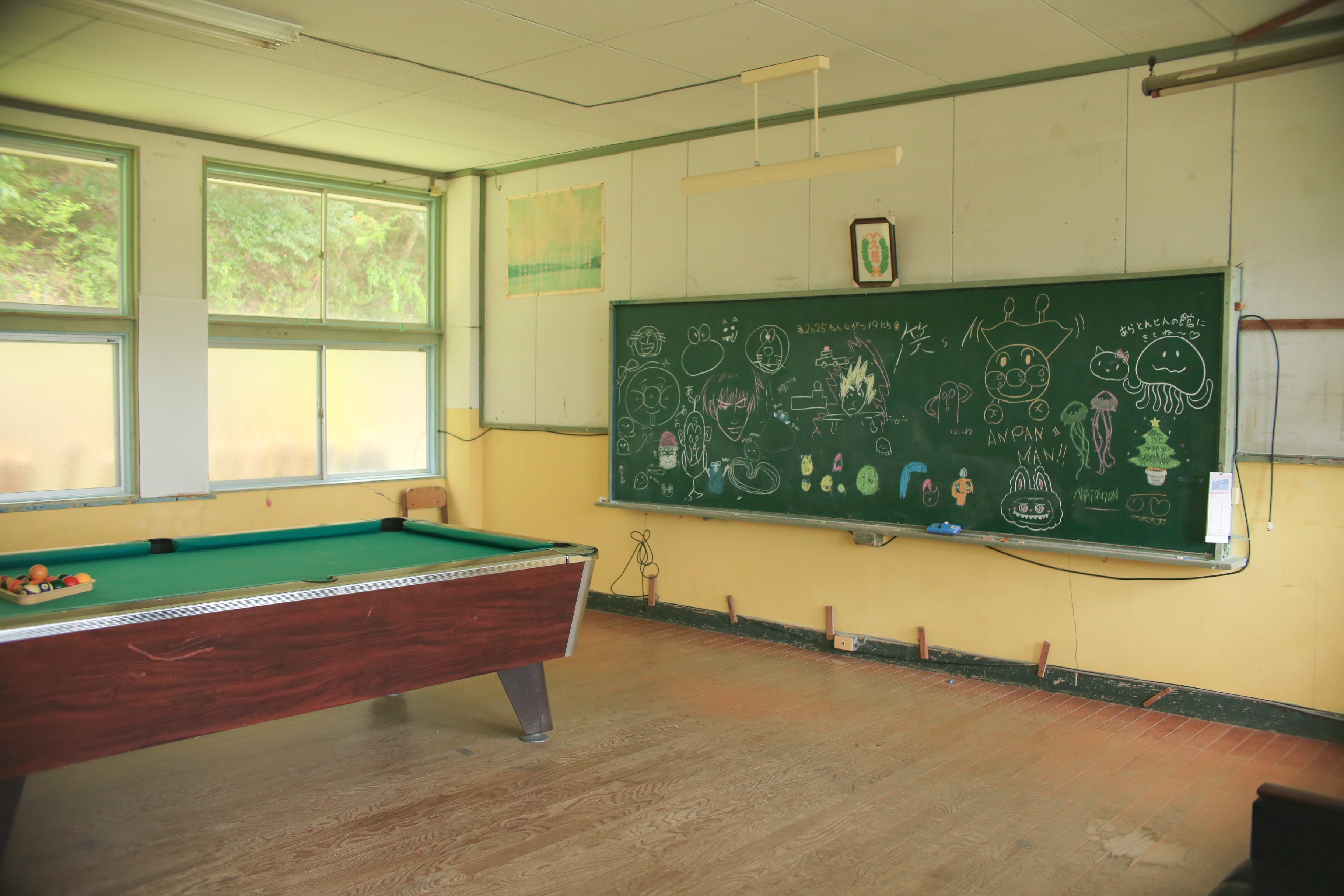
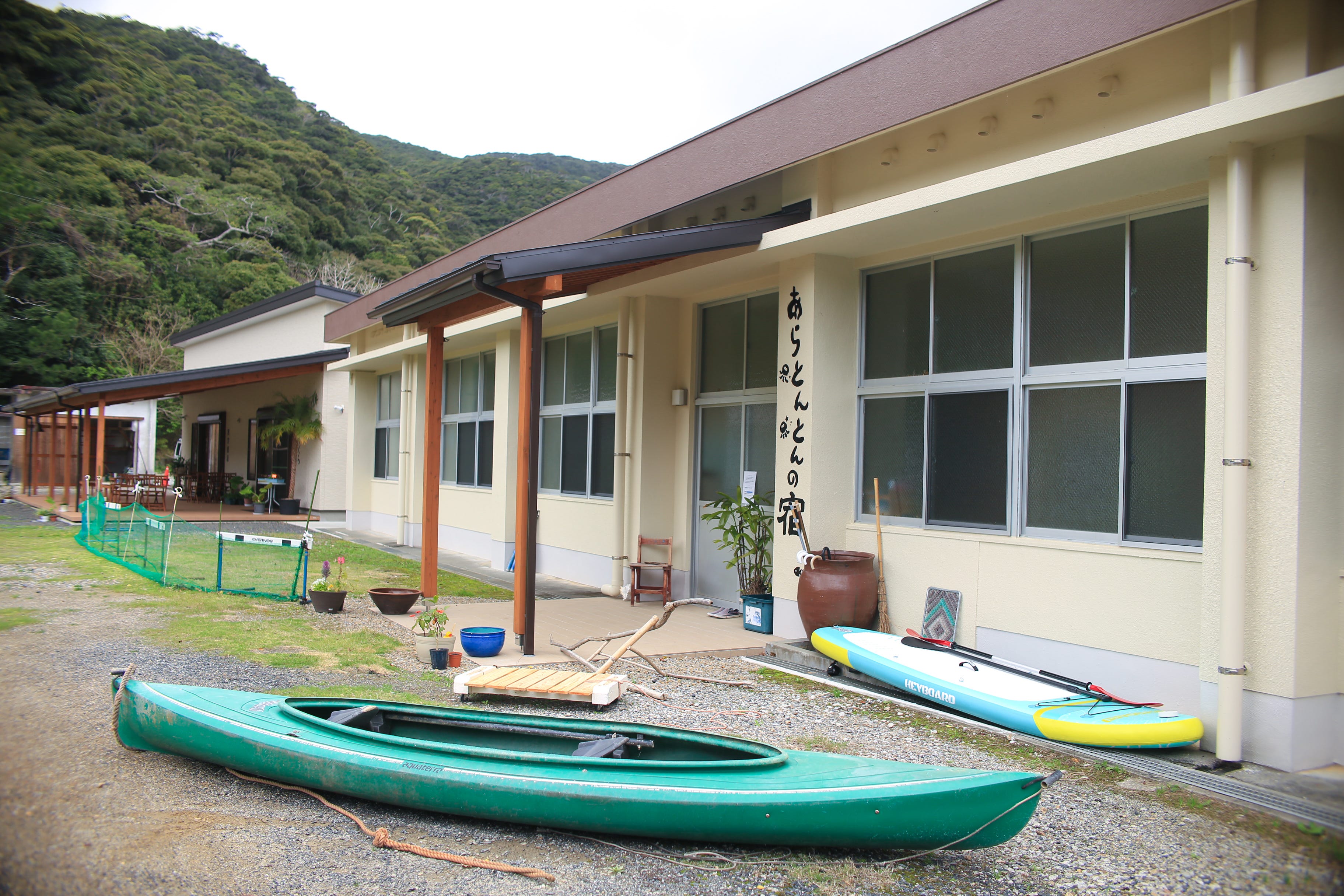
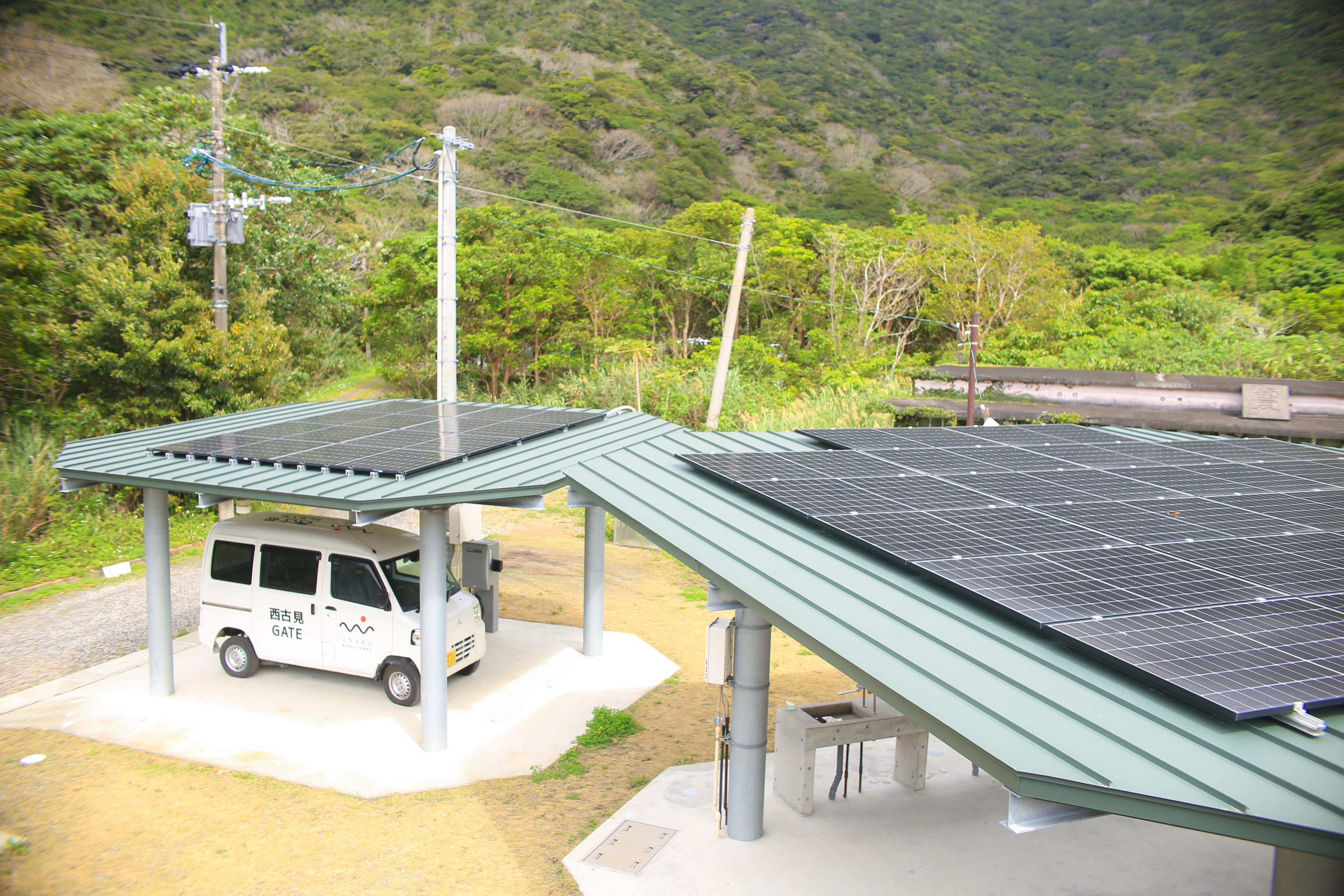
We visited a small settlement hamlet where once held thousands of residents but now only 18 people remain. The ojisan and obasan there showed us omotenashi that genuinely warmed my heart. Despite the natural tide of aging, the effort to keep their cultural heritage alive has not aged with them. They renovated a closed elementary-junior high school into a thriving community hub: accommodation, restaurant, local shop, gathering space...
More than that, their wisdom of someone who have long coexisted with the sea, mountains, islands preserve in-depth local ecological knowledge that are intangible treasure and never can be replicated or replaced.
Two hotels, two visions of what tourism can be
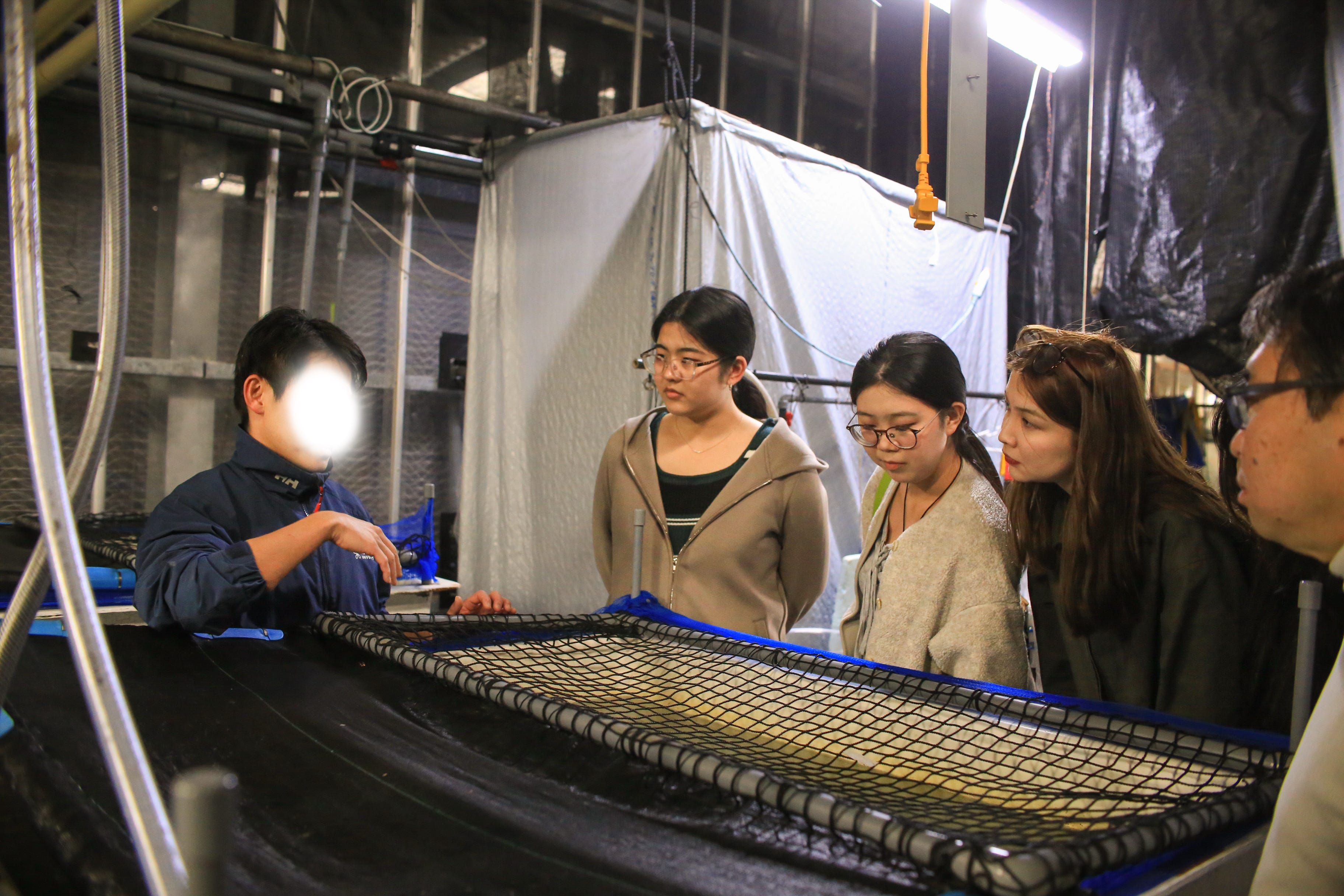
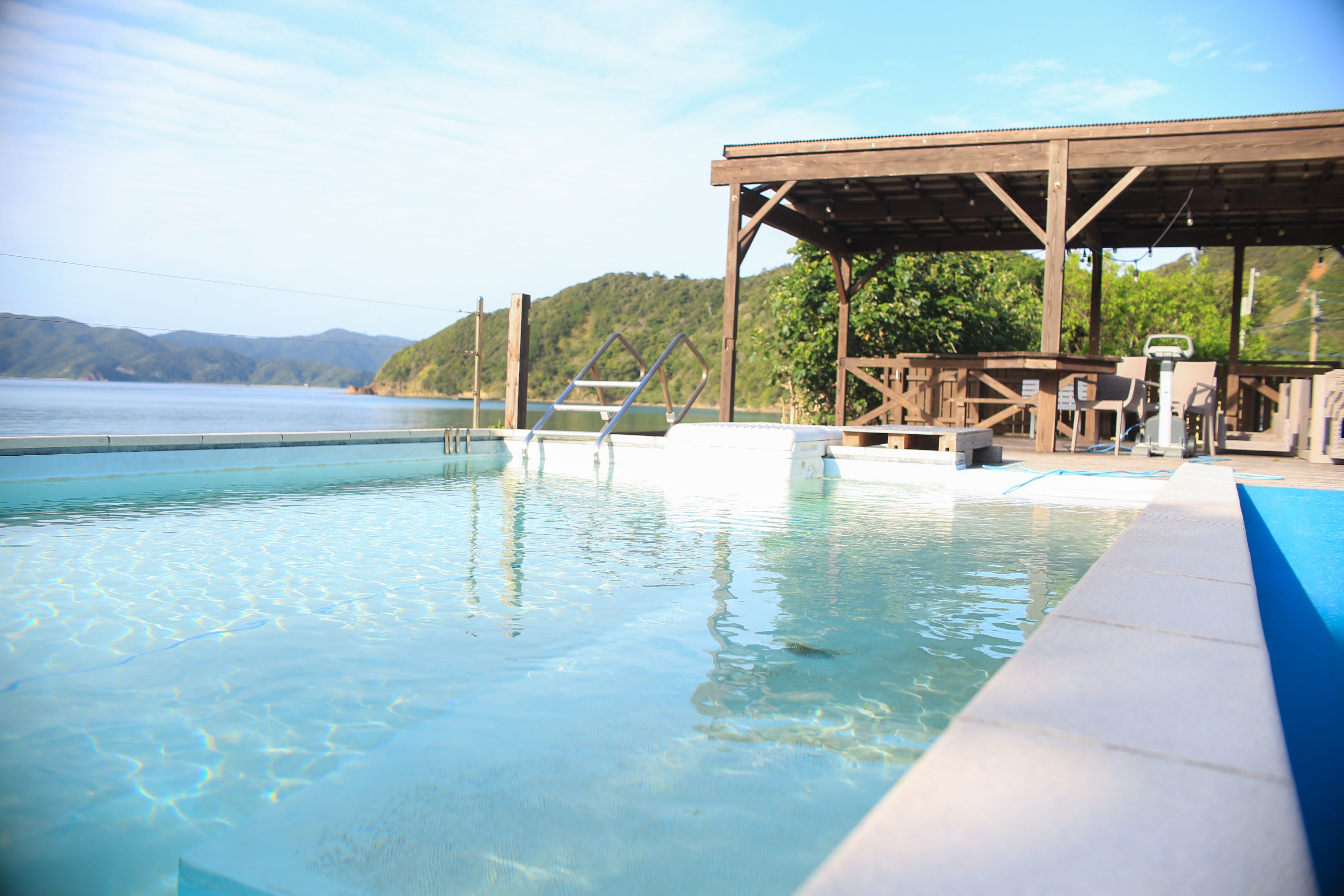
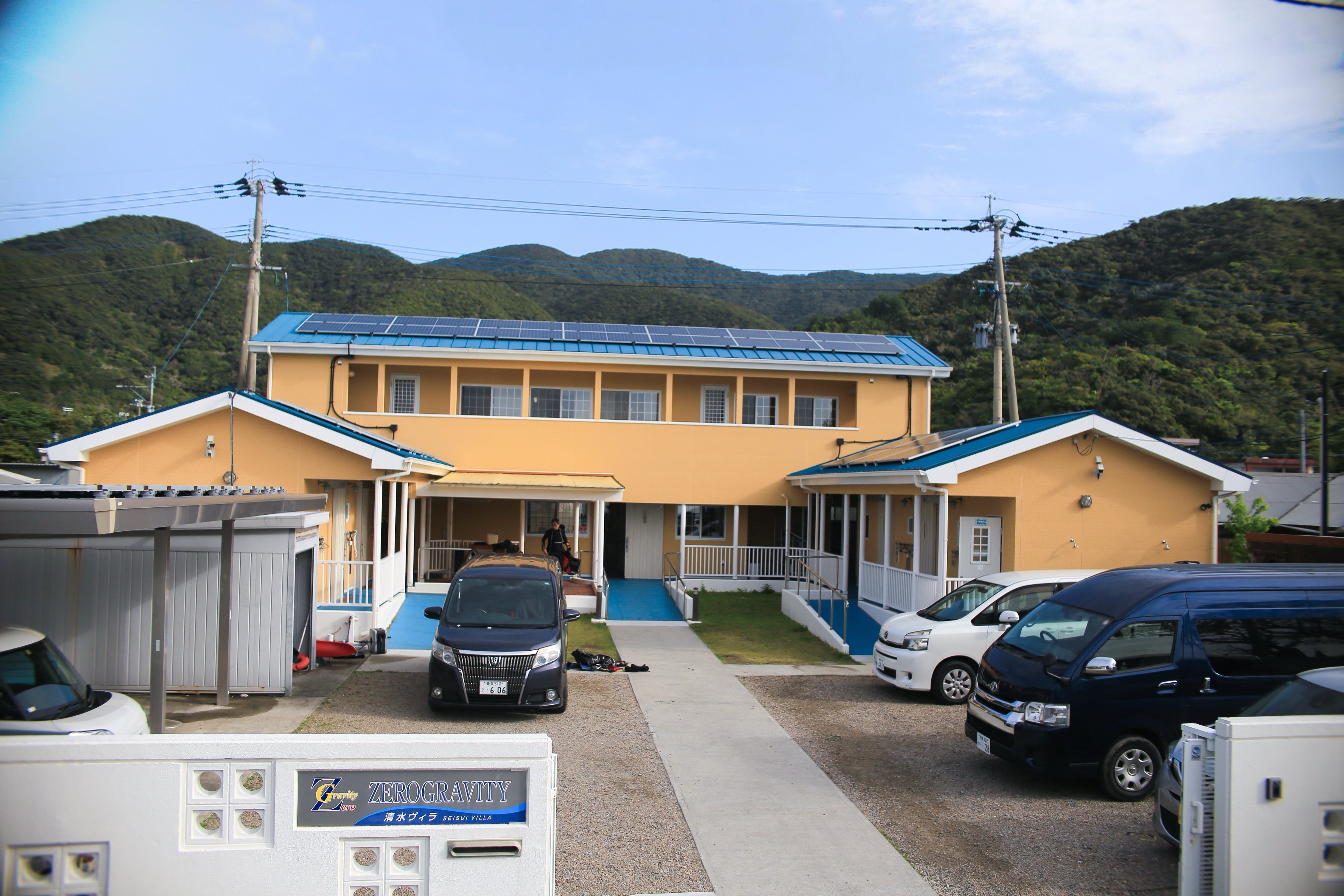
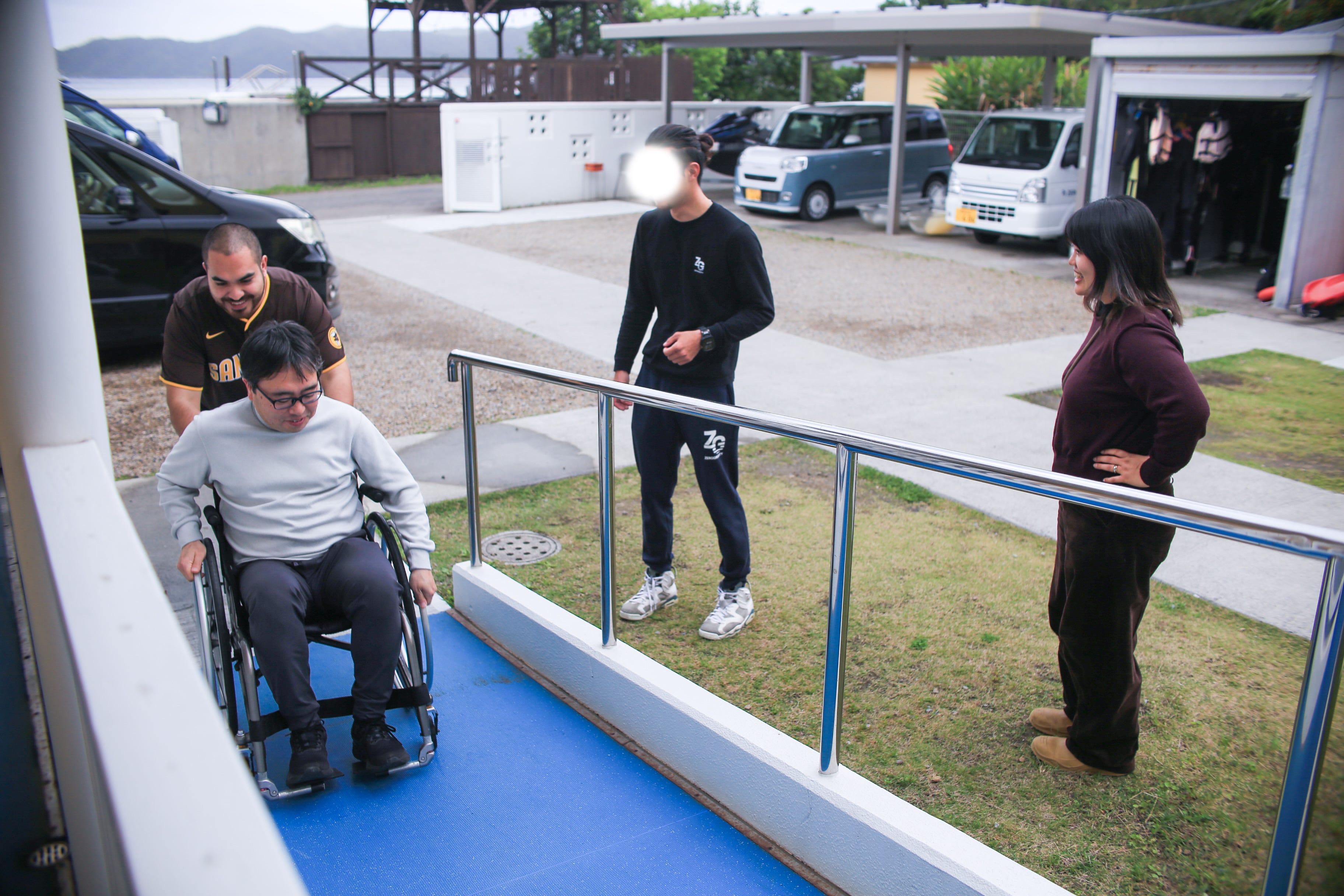
During our stay, we lived inside one of the most interesting places I have ever been: Zero Gravity Seisui Villa, the world's first all-inclusive scuba diving, boating, and snorkeling facility built specifically for handicapped persons. Beside a quiet stretch of beach and translucent waters, this hotel has engineered barrier-free access into every single detail: restrooms, guest rooms, dining tables, karaoke bar, the boat, and the practice pool. The ocean, with its weightlessness, becomes available to everyone.
On the other side of the town stands something else entirely: the only 5-star hotel, a tall building visible from a great distance, its upper floors blocking the mountain view. Inside, it might advertise eco-tourism. Outside, its scale and silhouette interrupt the natural landscape in the same way I have seen along the Vietnamese coastline, where massive beachfront resorts now define what the shore looks like.
I am not writing to criticize anything, but the contrast is hard to ignore.
A man in Ha Giang, and what he lost
Traveling in northern Vietnam years ago, I met an old man who belonged to an ethnic minority group in Ha Giang. He was furious about a large hotel that had been built near his community. He hates everything about that hotel, from the hotel’s architecture breaking the traditional aesthetic of the landscape, the hotel’s construction dust disrupting his cattle route, to the noise shattering the mountain silence that his family had lived inside for generations. And the land around him was now being sold at prices and in a market he did not understand.
Since the hotel opened, he had noticed the smaller changes too. Fewer snakes. Fewer insects. Birds rerouting their flight paths.
I thought about him again on Amami.
I have also worked on the other side of these conversations. I once helped train government departments, local authorities in Son La and Lao Cai on crisis management for tourism stakeholders. From that viewpoint, the picture becomes more complicated. Ethnicity has been packaged as tourism capital in these regions, and the responses from within indigenous communities are not uniform. Some families protest tourism facilities construction. Others pull their children out of school to earn money by dancing for tourists near those hotels.
Tourism has changed the land so polarizingly that it is difficult to define who should be held responsible for its negative environmental and social impacts.
Katoku Beach and the seawall that divided the community
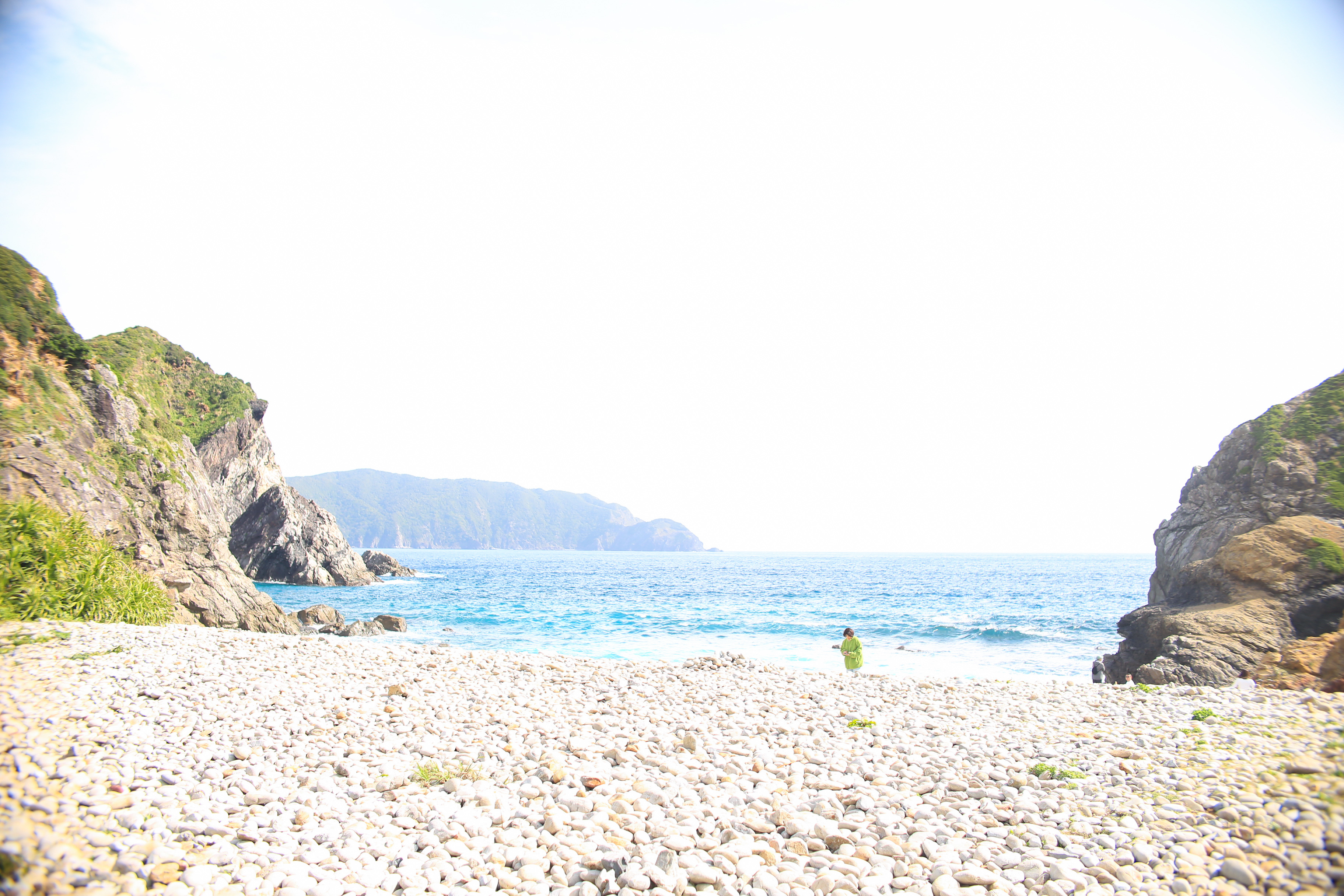
The most unresolved tension I experienced on Amami centers on Katoku Beach, so-called the “Jurassic Beach”. It features a rare geomorphological process where the river's seasonal flow accumulates sand along the coast each winter, creating a natural buffer that protects both the shoreline and the village during typhoon season.
However, after the 2011 earthquake and tsunami devastated eastern Japan, massive seawalls become the government’s answer to coastal vulnerability. On Amami, the proposal to build a seawall at Katoku has splitted the community. Some residents want the protection from the potential tsunamis. Others argue that the walls offer little defense against a major tsunami while causing real harm: the destruction of the ecosystem, the disappearance of nesting giant leatherback turtles, and a false sense of security that might actually slow evacuation when disaster comes.
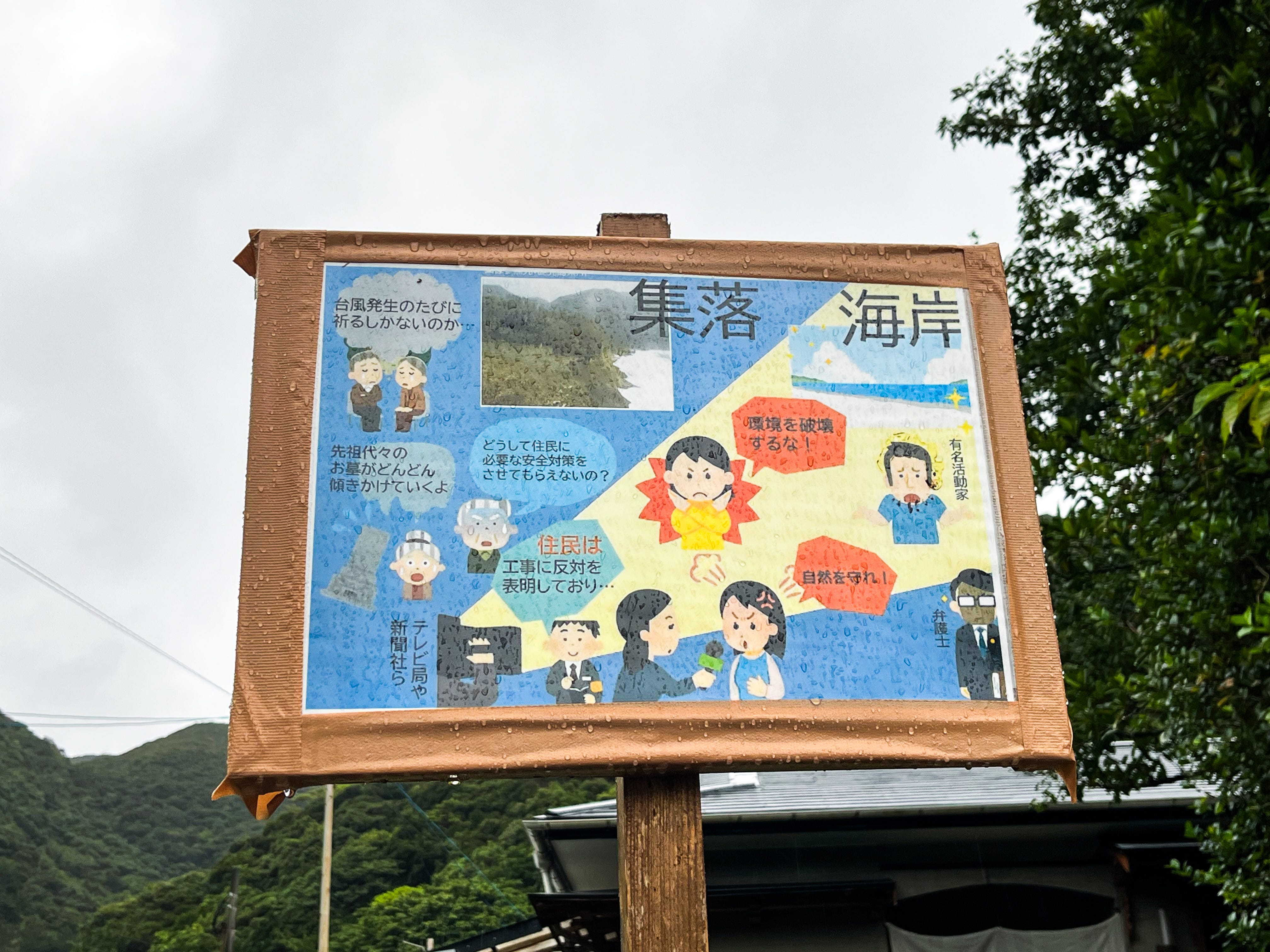
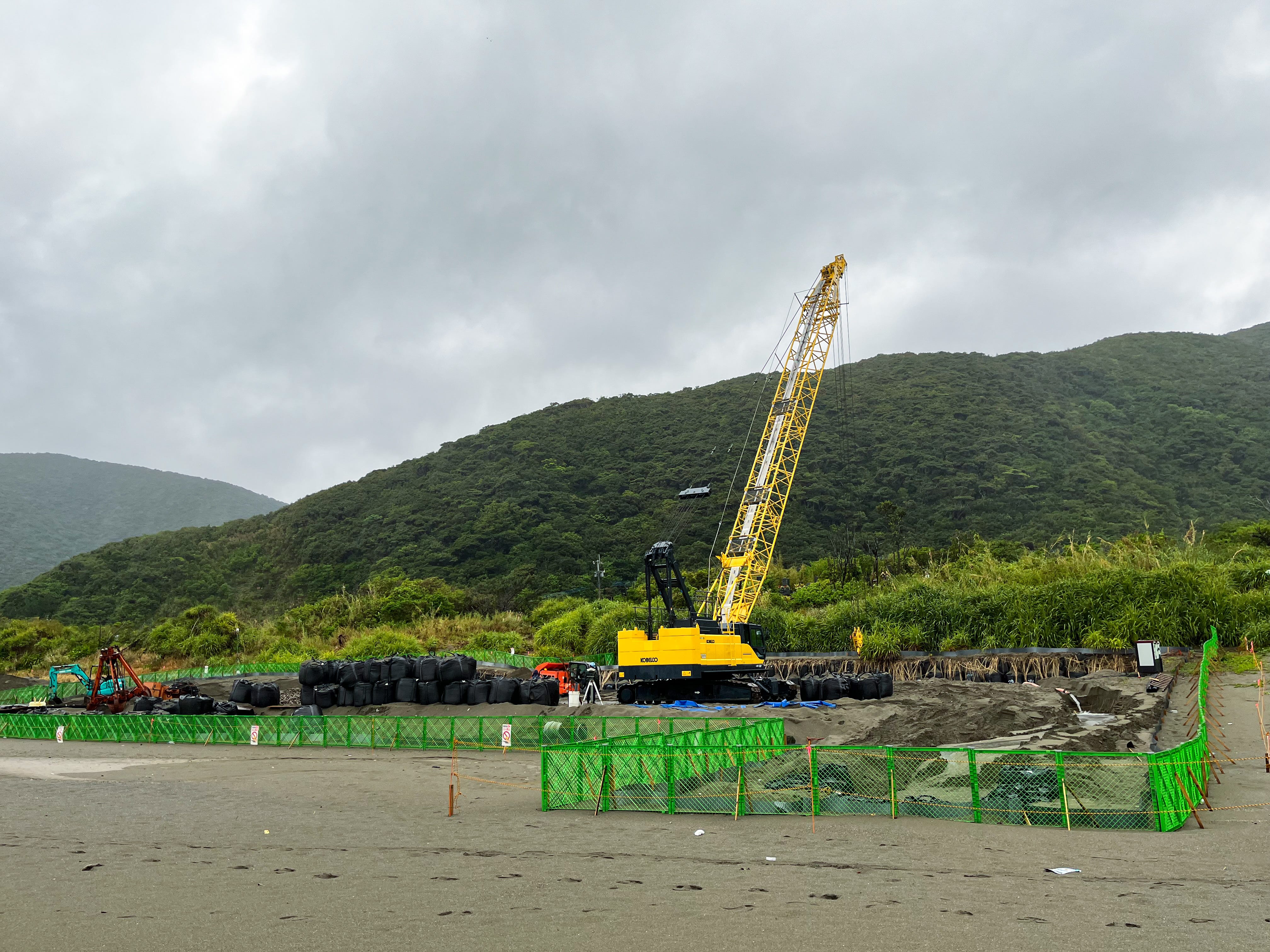
What I keep returning to is not whether the seawall should or should not be built, but a bigger concern about the future of this environmental conversation. Katoku has pristine rainforest, untouched river systems, a natural delta, a wide sandy beach, and cultural heritage layered into the landscape. It could be a symbol of a different kind of relationship between people and coastline. But that symbol will only survive if there are people left to carry it forward. The local population is already too small to sustain a long conservation fight. The people who know this beach best are aging, and there are fewer of them every year.
I wonder:
Were the conversations actually had? Not the social media posts urging people to save the island or stop the tourists. The real ones are between local communities and each other among themselves, between communities and scientists, between communities and the government, between communities and the tourism industry.
Is there a governance system that integrates scientific evidence, political accountability, ethical business practice, and human rights? One that makes decisions that are cautious and thoughtful without being captured by any single interest?
The priorities, as I see them, should run in this order:
The community must be heard first. Their voices and their wellbeing.
The science must be seen. Natural, social, environmental, political science together with measurable evidence and tangible metrics.
The business must be willing to speak and act purposefully and responsibly.
These kinds of conversations in Vietnam, rarely have a happy ending.
In our buffer zone of Ha Long Bay, a UNESCO World Natural Heritage Site, a 32-ha coastal reclamation project was launched. No informed consent from the communities. No published environmental (and social) impact assessment. One day, people simply opened the newspaper and saw it: soil and rocks already dumped into nearshore waters, even no surrounding embankment.
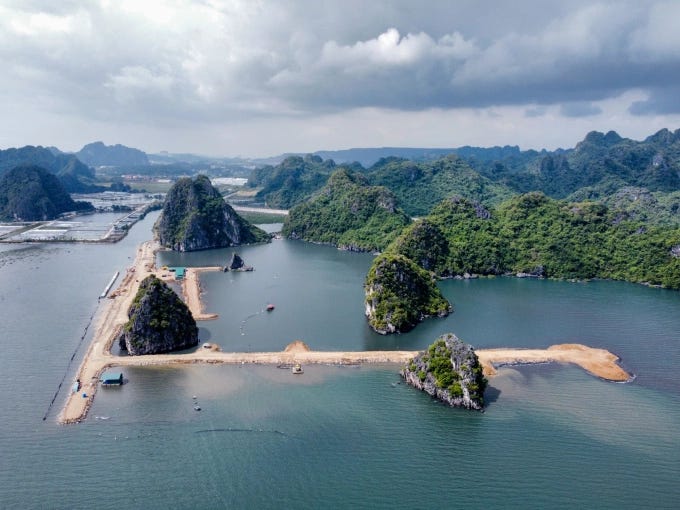
The public pushed back, loudly enough that the government suspended the project for review. Then recently, the provincial authority announced it will resume, citing what they described as an environmental impact evaluation they had conducted. They also complain that the current buffer zone is too extensive, making conservation management difficult while constraining the province’s socio-economic development.
If the buffer zone itself has become an obstacle to the decision-makers who are supposed to protect it, I find it hard to imagine what transparent, inclusive governance for Ha Long Bay could even look like anymore.
Why an island?
In a previous role, I worked on the Rebirth Station initiative, a collecting and recycling program that explored Deposit Return System modeled on successful European examples for Vietnam market. When the board of management decided to pilot the program on Phu Quoc island, I pushed back immediately:
Why an island?
My concern was not just about location. It was about the logic underneath the choice. If a policy permits single-use packaging consumption to keep growing, and then offers a take-back program with financial incentives as the solution, the total volume of material that needs to be handled will still increase. Whether that material gets recycled on the island or shipped to the mainland does not change this logic.
My partner’s answer was direct: Islands are isolated. The boundaries are clear. We can design a controlled, closed system, and if it works, we scale it up.
But I kept thinking: what if it fails? On an island, a failed experiment means you fail the whole ecosystem, and the people living inside it.
For investors and policymakers, islands are attractive precisely because they look manageable. What gets missed in that framing is that an island is not a sandbox. It is someone's home. It's vulnerable. It has no backup copy, no overflow, no adjacent system to absorb the damage when things go wrong. It only live once (ITLO and you too YOLO).
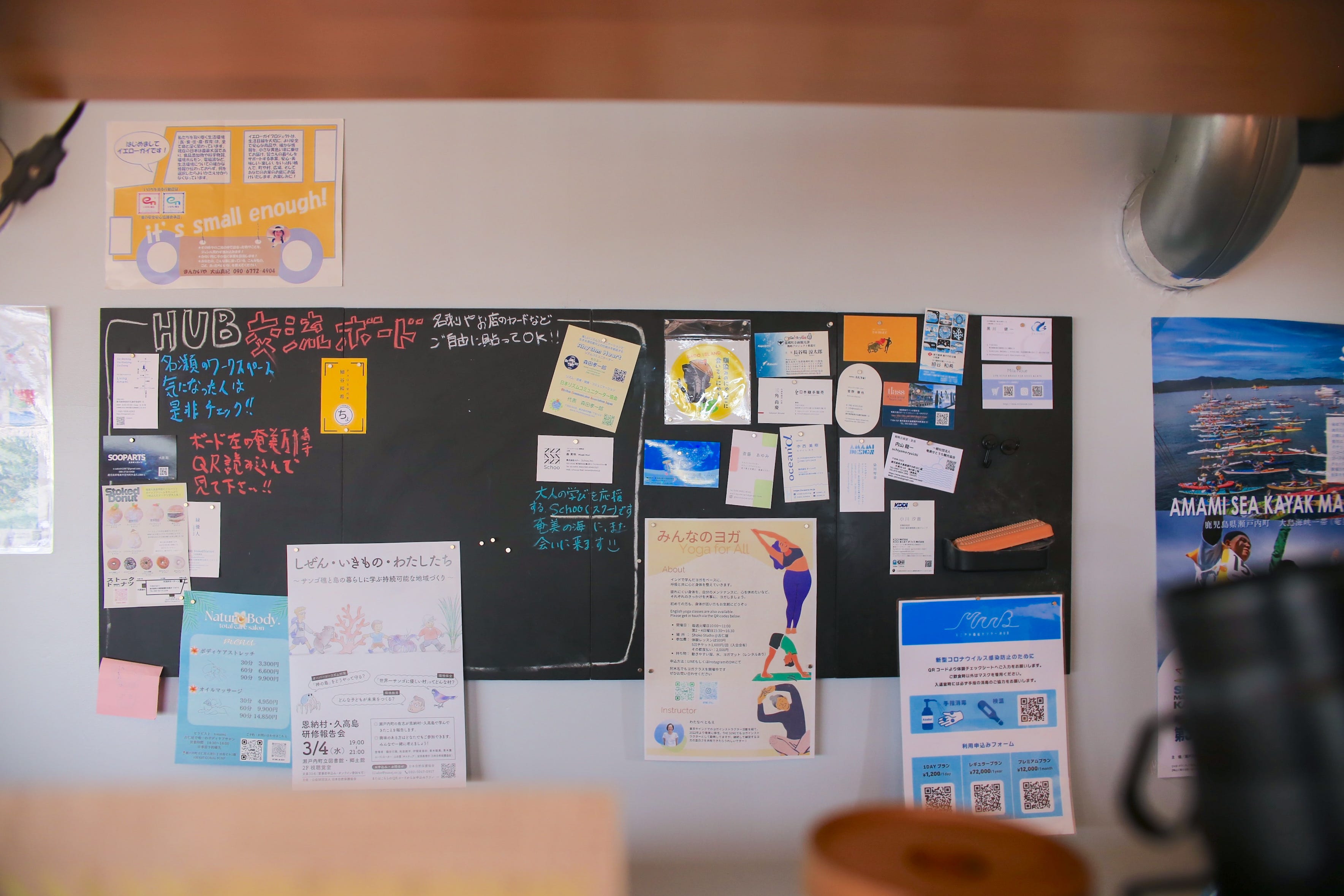
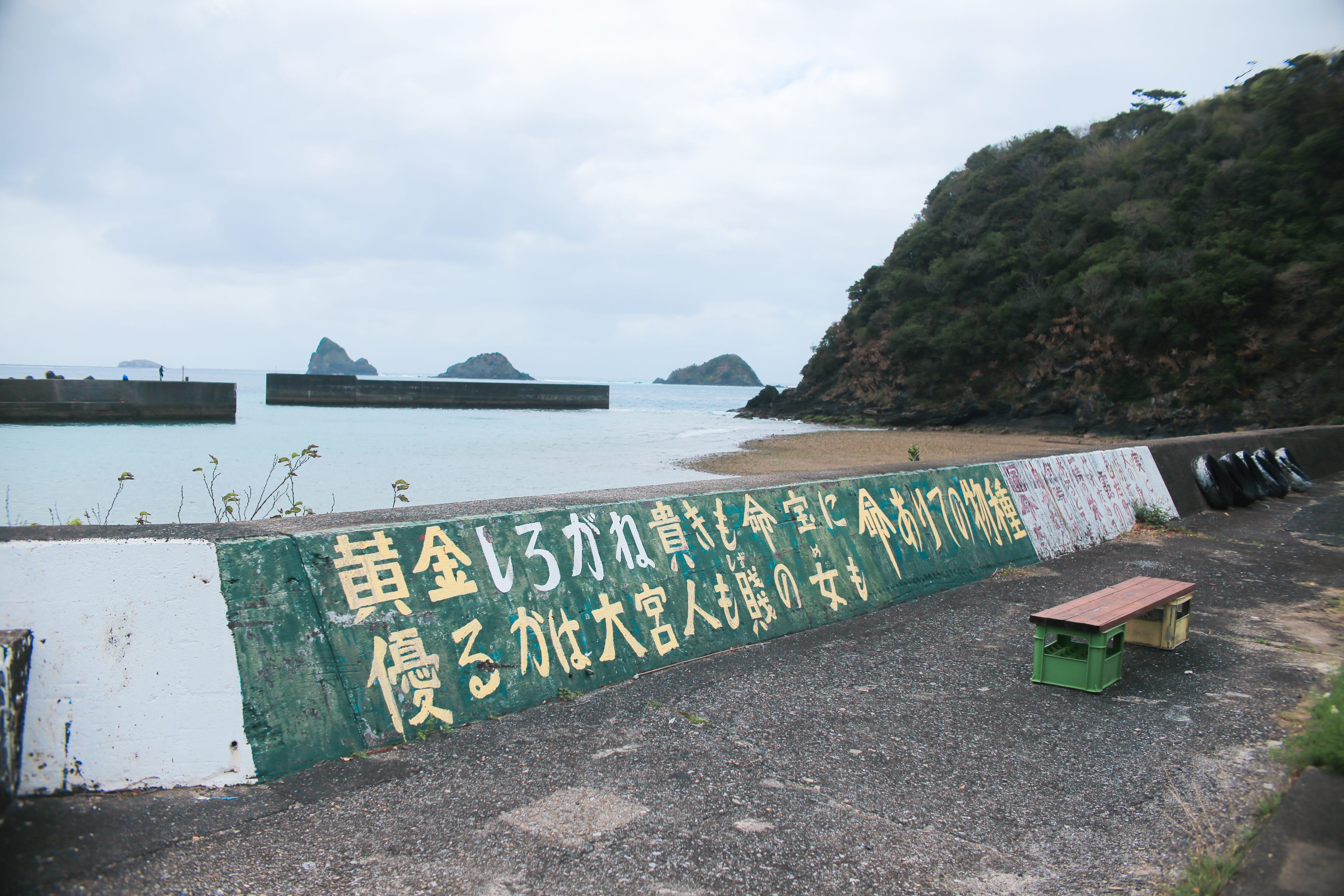
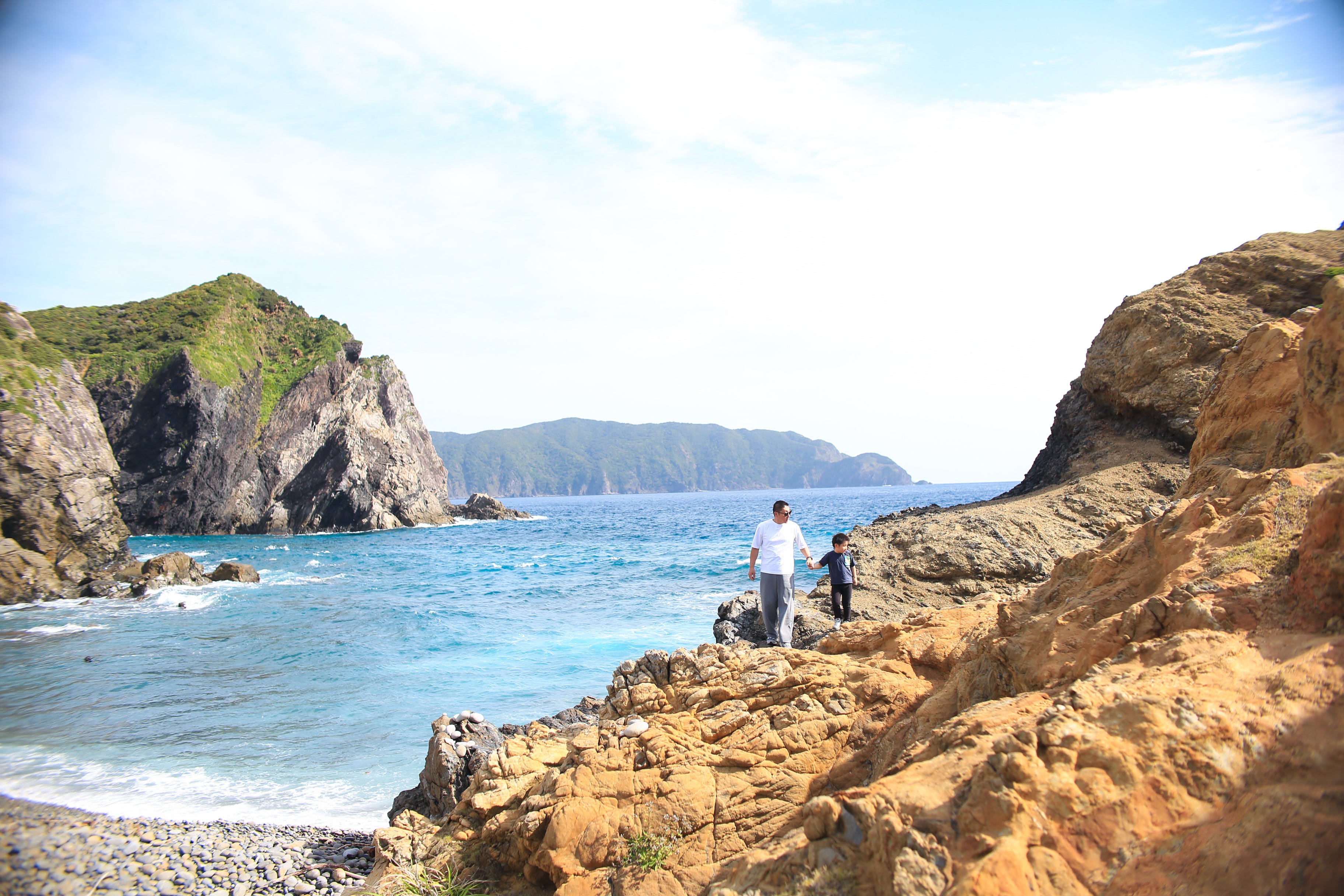
If you need a single image to sit with, watch this video of Tuvalu, a shrinking country not as a projection or a warning, but right now in real time.
That image of shrinking islands, both in physical and intangible ways, more than any governance framework, is what I carry home from Amami Oshima. Seeing and feeling the island in person, I wonder do we still want more tourists, and at what costs would the island have to carry?